Conyza primulifolia
Conyza primulifolia
Description
Conyza primulifolia is a herbaceous plant species belonging to the Asteraceae family. Often recognized for its ecological presence in disturbed lands, it serves as an interesting subject for agricultural study due to its biological resilience and the competition it creates with traditional crops in various farming systems.
The origin of this species is traced back to South America, from where it has spread across diverse geographic regions. Its ability to thrive in various climates is attributed to its high adaptability to different soil types and its efficient seed dispersal mechanism, which allows it to colonize pastures, fallow fields, and roadsides effectively.
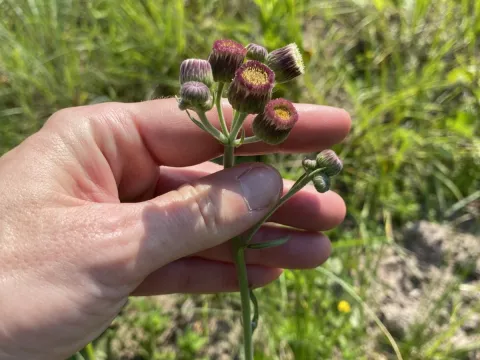
Botanically, the plant is distinguished by its basal rosette of leaves, which bear a visual resemblance to those of the primrose, hence its specific epithet. It develops erect stems topped with small, clustered flower heads. The root system is well-developed, enabling the plant to withstand intermittent dry spells and stabilize the soil profile.
Agricultural management requires specific attention to soil fertility and moisture control. As a competitive species, it prefers sunny locations with minimal canopy interference. Effective agronomic control measures include deep plowing, timely mechanical weeding in inter-row spaces, and the application of herbicides when the plants are in the rosette stage.
While primarily considered an agricultural nuisance, the species is susceptible to various biotic factors including fungal diseases like powdery mildew and insect pests such as aphids. Growers should monitor these populations to maintain field health, although there is limited evidence for its direct commercial use in broad-acre cultivation.
Photo gallery