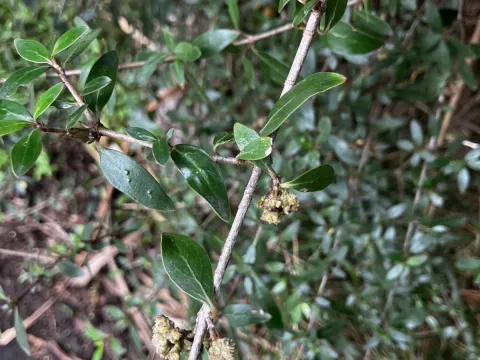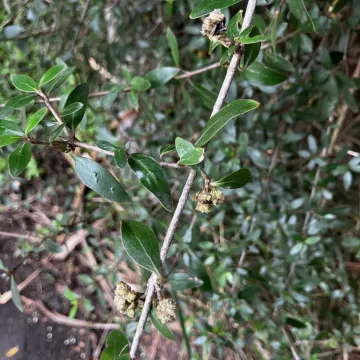

Coprosma cunninghamii
Coprosma cunninghamii
Description
Coprosma cunninghamii is an evergreen shrub belonging to the Rubiaceae family. Native to New Zealand, this species is highly regarded for its structural complexity and resilience. In an agricultural and horticultural context, it is classified as a versatile woody plant suitable for temperate regions with maritime influences.
Botanically, the plant is characterized by its stiff, interlacing branches and small, glossy, deep green leaves. It is a dioecious species, meaning individual plants are either male or female. The flowers are generally insignificant in terms of visual appeal, but the small, fleshy drupes that appear on female plants provide significant ornamental value and biodiversity support.
Regarding cultivation requirements, Coprosma cunninghamii thrives in well-drained, fertile soils with a slightly acidic to neutral pH. It is notably tolerant of wind, which makes it an ideal candidate for coastal planting. While it prefers sunny locations, it can tolerate partial shade, though growth may be less compact in low-light environments.
Standard agronomic management includes moderate watering during the establishment phase and protection from severe frosts. Periodic pruning is essential to maintain the desired shape and promote dense growth. Fertilization is best performed in early spring using slow-release organic fertilizers to sustain the plant's evergreen foliage throughout the year.
Key хозяйственное uses of the plant include:
- Establishment of dense, wind-resistant hedges.
- Incorporation into mixed border plantations for year-round color.
- Usage in ecological restoration projects for slope stabilization.
- Container gardening for patio or conservatory environments.
Typical pests include scale insects and mealybugs, which are effectively managed through appropriate horticultural oils or biological control methods. Fungal issues, such as root rot, are typically restricted to poorly drained sites, highlighting the importance of soil structure in the successful cultivation of this shrub.
Photo gallery