Coprosma petriei
Coprosma petriei
Description
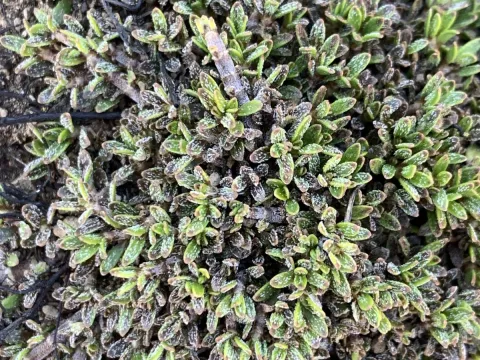
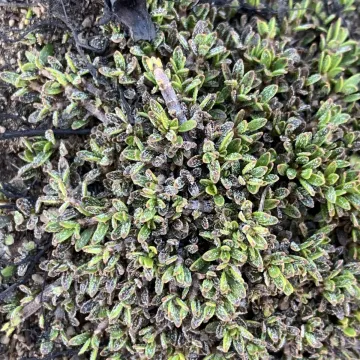
Coprosma petriei is a distinctive prostrate shrub belonging to the Rubiaceae family. Renowned for its mat-forming growth habit, this evergreen species is highly valued in horticulture for its ability to create dense, weed-suppressing carpets, making it an excellent choice for rock gardens and ground-level landscaping projects.
Originating from the alpine and subalpine regions of New Zealand, this plant is naturally adapted to harsh environmental conditions. Its evolutionary history in mountainous terrain has equipped it with robust physiological traits, including resistance to strong winds and low temperatures, which allows for successful cultivation in various temperate climate zones worldwide.
The botanical features of this species include small, tightly packed leaves often displaying bronze or dark green hues. The plant exhibits a creeping habit, where stems spread horizontally across the soil surface. A notable characteristic is the production of translucent, often purple-blue or white berries, which provide significant ornamental interest during the late season, effectively transforming the ground into a textured tapestry.
Cultivation requirements focus primarily on soil structure and moisture management. Coprosma petriei thrives in well-drained, gritty soils, reflecting its alpine origin. While the plant is drought-tolerant once established, it requires a substrate that prevents water stagnation, as poor drainage is the most common cause of root disease in this species. Partial to full sun exposure is recommended for optimal foliage density.
- Choose well-drained soil with a gravel or sand base.
- Provide adequate sunlight to maintain plant compactness.
- Avoid overwatering to prevent fungal infections.
- Use in rockeries or as a low-maintenance groundcover.
Regarding pest management, this species is relatively resistant to common garden insects, making it a low-input ornamental option. The primary challenges involve ensuring adequate drainage to prevent rot and avoiding excessive soil fertilization, which can stimulate weak, leggy growth rather than the desired dense, prostrate form typical of this hardy alpine shrub.
Photo gallery