Corallocarpus epigaeus
Corallocarpus epigaeus
Description
Corallocarpus epigaeus is a specialized perennial plant belonging to the Cucurbitaceae family. It is best known for its significant subterranean caudex, a tuberous root structure that serves as a vital water and nutrient reservoir. This adaptation allows the species to survive in harsh arid environments, making it a unique specimen for botanical study and niche cultivation.
The plant originates from the arid regions of India and parts of Africa. It is naturally adapted to survive in dry, stony, or sandy soils where precipitation is infrequent. Its native habitat ranges from semideserts to rocky outcrops, where it demonstrates high tolerance to intense heat and prolonged dry seasons, relying on its internal reserves for survival.
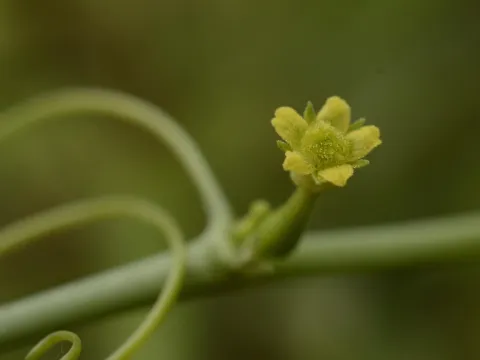
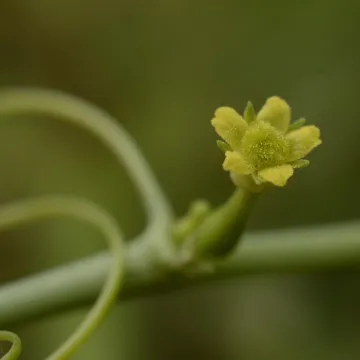
Botanically, Corallocarpus epigaeus is characterized by slender, creeping, or climbing vines that emerge from the massive, fleshy tuber during the growing season. The leaves are typically palmately lobed, while the flowers are small and relatively inconspicuous, characteristic of many members of the gourd family. The plant enters a dormancy phase once environmental conditions become unfavorable.
Agricultural success with this species depends heavily on replicating its natural habitat. It requires a fast-draining, gritty soil mix to prevent water stagnation, which is the primary cause of root rot in this species. During the active growth phase, moderate watering is required, but the plant should remain almost completely dry during the winter dormancy period to ensure long-term health.
Economically, the plant is primarily utilized in traditional medicine, particularly within its native range. The tubers contain bioactive compounds, including triterpenoids, which are studied for their potential anti-inflammatory and antiseptic properties. While not a large-scale commercial crop, it remains a significant plant for herbal medicine research and specialized horticultural collections.
- Needs excellent drainage.
- Extreme drought tolerance.
- Dormancy period is essential.
- Sensitive to root rot.
- Medicinal value of the tuber.
Photo gallery