Cordia alliodora
Cordia alliodora (Ruiz & Pav.) Oken
Description
Cordia alliodora is a prominent tropical tree species belonging to the Boraginaceae family. Known for its rapid growth and production of high-value timber, it is a key species in tropical silviculture, widely recognized for its straight bole and adaptability to various ecological conditions.
Native to the Americas, ranging from Mexico through Central and South America to Argentina, this species has been introduced in various tropical regions globally. It thrives in lowland and premontane tropical forests, showing a remarkable ability to colonize degraded areas, which makes it an excellent candidate for reforestation and land restoration projects.
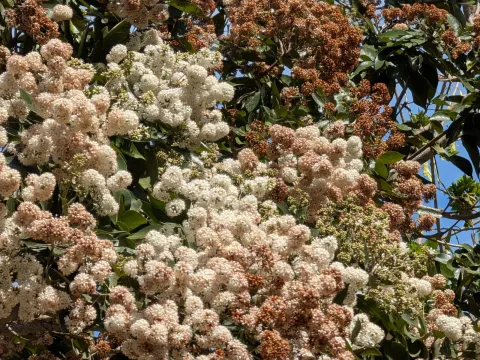
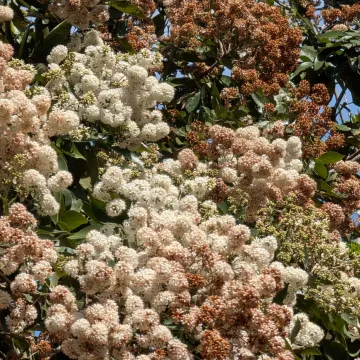
Botanically, the tree is characterized by a slender, upright stature and a narrow canopy. A distinguishing feature is the garlic-like scent emitted by its foliage, which provides a natural deterrent against some herbivores. The tree produces profuse white flowers arranged in large terminal clusters, which are wind-pollinated, followed by small, winged fruits that facilitate effective dispersal.
Successful cultivation of this species requires well-drained, fertile soils with a moderate to high moisture regime. While it is adaptable, protection from strong winds during the juvenile phase is essential to ensure a straight stem. Modern management practices emphasize systematic pruning and thinning to optimize diameter increment and ensure the production of clear, knot-free timber logs.
The economic value of Cordia alliodora lies primarily in its timber, which is light-brown, strong, durable, and highly resistant to decay. It is widely used for high-end furniture, fine cabinetry, veneer, and general construction. Furthermore, because of its light shade, it is frequently used as a companion tree in agroforestry systems, providing shade for coffee and cacao crops while yielding valuable timber.
- Rapid growth and high biomass productivity.
- Excellent timber quality for woodworking and furniture.
- Compatibility with shade-loving agricultural crops.
- Ability to thrive in diverse tropical soil types.
- Susceptibility to certain fungal pathogens in waterlogged conditions.
Photo gallery