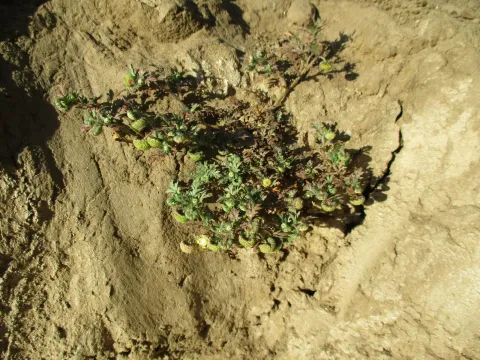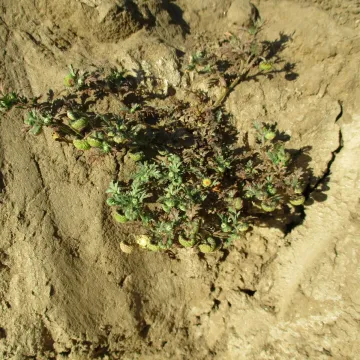
Cotula anthemoides
Cotula anthemoides
Description
Cotula anthemoides is a herbaceous annual plant belonging to the Asteraceae family. This species is recognized for its unique, finely divided foliage and small, button-like flower heads, which make it a popular choice for ground cover in ornamental landscapes and specialized gardening projects.
Native to regions of Southern Africa, this plant has adapted to diverse environments, though it thrives best in mild, temperate climates. Its historical and current agricultural use is primarily focused on creating dense ground covers that help maintain soil moisture, prevent surface erosion, and offer aesthetic value in public and private landscapes.
Botanically, the plant is characterized by its feathery, fern-like leaves and yellow, disc-shaped flowers. It exhibits a prostrate growth habit, which allows it to spread rapidly across the soil surface. The reproductive biology of the species ensures that it can re-seed effectively under suitable conditions, contributing to its status as a reliable seasonal ground cover.
Agronomic success with Cotula anthemoides depends heavily on site selection and soil preparation. It requires well-drained, sandy loam soils rich in organic matter. While it is somewhat adaptable, avoiding waterlogged soil is critical to preventing root rot, which is the most common physiological challenge encountered during its growth cycle.
Regarding health management, typical pests include aphids and mites, which can be controlled using standard horticultural practices. Diseases such as powdery mildew may occur in areas with poor air circulation or excessive humidity. Regular thinning of the plants and ensuring a sunny location will significantly reduce the need for chemical intervention and keep the crop healthy throughout the season.
Photo gallery