Cotula turbinata
Cotula turbinata
Description
Cotula turbinata is an annual herbaceous plant belonging to the Asteraceae family. While it is not a traditional mass-market agricultural commodity, it is recognized as a niche horticultural crop. It is highly valued for its unique morphological structure and its distinct button-like inflorescences, which serve as a visual focal point in decorative landscape projects and specialized plant production.
The plant originates from South Africa, inhabiting regions characterized by Mediterranean-type climates with distinct seasonal rainfall. Historically, it thrives in sandy, well-draining soils and open, sunny environments. Its cultivation range has expanded as niche growers and botanical enterprises have successfully introduced this species into more temperate zones through greenhouse and controlled field techniques.
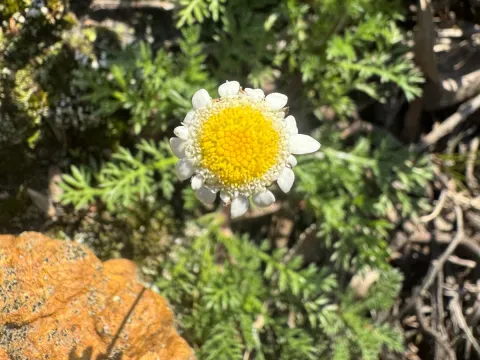
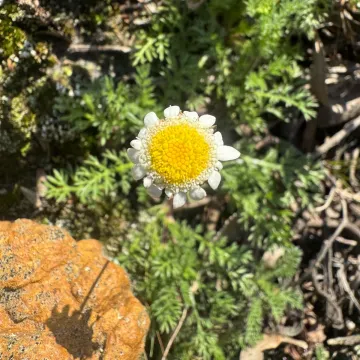
Botanically, Cotula turbinata is characterized by its feathery, pinnate foliage and disk-shaped flower heads that lack showy ray florets. The plant typically reaches a height of 20–30 cm. The foliage is often aromatic, and the plant maintains a compact habit, making it an excellent candidate for intensive production in small pots or as a decorative bedding plant in commercial landscape designs.
Cultivation requirements focus heavily on soil structure and water management. To ensure successful growth, it is essential to provide a well-drained, sandy-loam substrate. The plant is intolerant of waterlogging, which often leads to root collar issues. Nutrient requirements are generally low; excessive application of nitrogen-based fertilizers typically results in excessive vegetative growth, which can diminish the aesthetic quality of the blooms.
- High demand for direct sunlight for optimal growth.
- Requirement for highly porous and well-draining soil.
- Need for temperature regulation during extreme summer peaks.
- Sensitivity to high humidity in confined environments.
The primary economic use of this species remains in the ornamental nursery and floral design sectors. Regarding plant health, the most frequent threats include root rot pathogens, which thrive in poorly drained substrates. Furthermore, when grown in greenhouse conditions, the crop is susceptible to common sap-sucking pests like aphids, necessitating integrated pest management strategies to maintain high aesthetic standards for consumers.
Photo gallery