Crassula capitella
Crassula capitella Thunb.
Description
Crassula capitella is a succulent species within the Crassulaceae family, valued as a distinctive horticultural crop. Grown primarily for ornamental purposes, this plant has gained significant popularity in the global nursery trade due to its aesthetic structure, compact growth habit, and dramatic color changes in response to environmental stressors.
The plant originates from Southern Africa, where it has evolved to thrive in arid, rocky environments with erratic rainfall patterns. This evolutionary history dictates its fundamental requirements for cultivation, including excellent drainage and high levels of solar radiation, making it particularly suitable for greenhouse production in Mediterranean-like climates.
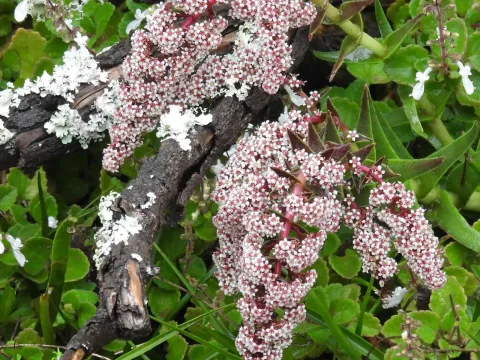
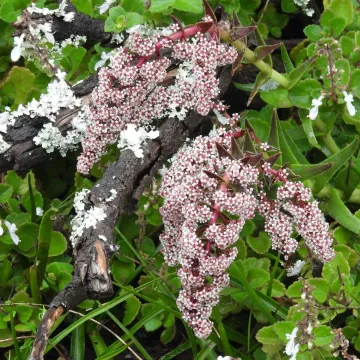
Botanically, Crassula capitella is characterized by stacked, fleshy leaves forming tight rosettes. The plant possesses a unique ability to accumulate pigments such as anthocyanins, which turn the foliage shades of deep red or bright crimson when exposed to high light intensity. It is capable of forming dense mats through the production of offsets at the base.
Successful commercial agrotechnics for this species focus on a sterile, mineral-rich, and highly porous substrate. Greenhouse temperature management should stay between 18°C and 25°C during the growing season. Over-irrigation is the primary risk factor, requiring automated irrigation systems that ensure the medium dries out completely to maintain the health of the root system.
In terms of economic usage, this plant is a staple for succulent specialized farms, used for wholesale trade, floral arrangements, and dry-landscape landscaping projects. Its relative durability during distribution and low maintenance post-sale make it a reliable revenue stream for high-end horticultural producers.
- Light requirement: Full sun to partial shade for optimal coloration.
- Soil pH: Slightly acidic to neutral (6.0–7.0).
- Pest management: Regular inspections for mealybugs and spider mites.
- Disease prevention: Avoidance of water stagnation to prevent Fusarium and Phytophthora.
Photo gallery