Cratoxylum formosum
Cratoxylum formosum
Description
Cratoxylum formosum is a deciduous tree belonging to the family Hypericaceae. Known for its resilience and rapid growth in its native habitat, it serves as a critical component of tropical ecosystems and secondary forests throughout Southeast Asia.
The geographic distribution of this species spans from the lush forests of Thailand to the islands of the Philippines and Indonesia. It thrives in high-temperature environments with distinct wet and dry seasons, often colonizing degraded lands and assisting in soil stability and forest regeneration efforts.
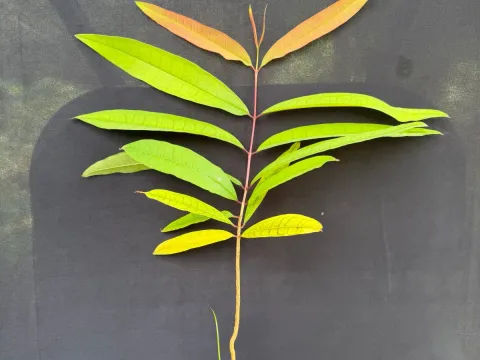
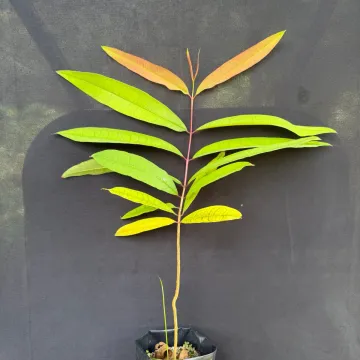
Botanically, the tree is characterized by a smooth, peeling bark and opposite, elliptic-oblong leaves. The flowers are typically pink or reddish, providing aesthetic value as well as serving as a nectar source. Its structural properties allow it to withstand tropical wind patterns effectively once fully established.
Agronomic management requires selecting sites with good drainage, as the species is sensitive to prolonged waterlogging despite needing high annual rainfall.
- Soil preparation: Loamy to sandy-loam soils are ideal.
- Nutrient management: Application of balanced organic compost during the early growth phase.
- Pest monitoring: Regular checks for lepidopteran larvae and fungal pathogens.
The tree is primarily utilized in forestry for its durable and high-quality timber, often used in cabinetry and light construction. Furthermore, traditional medicinal applications of its bark and leaves have been well-documented in regional ethnobotany, highlighting the cultural and economic significance of this versatile species.
Photo gallery