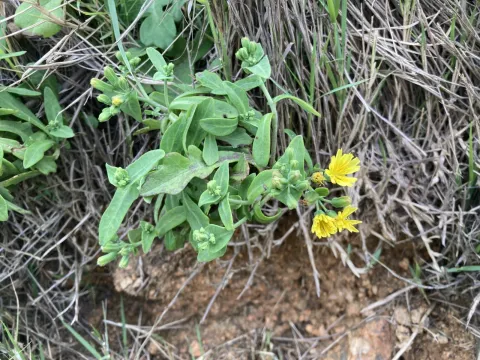
Crepidiastrum lanceolatum
Crepidiastrum lanceolatum
Description
Crepidiastrum lanceolatum is a perennial herbaceous plant belonging to the Asteraceae family. Known for its structural elegance and resilience, this species has gained recognition in specialized botanical circles for its ability to thrive in harsh coastal environments where soil composition and exposure are challenging.
The native range of this plant is primarily concentrated in the coastal areas of East Asia, particularly Japan. It is uniquely adapted to life on seaside cliffs, where it faces high salinity and strong wind exposure. This natural distribution has shaped its robust physiological traits and its requirements for specific microclimates in cultivation settings.
Botanically, the plant is characterized by its narrow, lance-shaped leaves arranged in basal rosettes and its daisy-like yellow inflorescences. The root system is specifically evolved to anchor into rocky crevices, providing stability and accessing limited water resources during the warmer months of the year.
Cultivation requirements for this species are centered on simulating its native environment. It demands a substrate with excellent drainage, such as a mix of grit or sand, to prevent root rot. It flourishes in full sun exposure and is highly sensitive to excessive humidity, which makes it an ideal candidate for containers or rock gardens where soil moisture can be strictly monitored and controlled.
In terms of agricultural and horticultural use, Crepidiastrum lanceolatum is primarily employed as an ornamental plant for specialized landscaping, such as xeriscaping or alpine gardens. Common pests include aphids and leaf-eating insects, while disease management primarily focuses on preventing fungal outbreaks associated with high humidity and poor ventilation around the foliage.
Photo gallery