Crepidiastrum sonchifolium
Crepidiastrum sonchifolium
Description
Crepidiastrum sonchifolium is a perennial herbaceous plant belonging to the Asteraceae family. Known in East Asia, particularly in Korea, as a traditional leafy vegetable, it has gained recognition for its nutritional profile and distinctive flavor. The plant is botanically distinct due to its leaf structure, which resembles that of the sow thistle, hence its scientific species name.
The native range of this crop encompasses the temperate regions of East Asia, including the Korean Peninsula, parts of China, and Japan. It is well-adapted to open, sunny environments and is often found growing on rocky slopes and disturbed soils. Its natural resilience makes it a suitable candidate for cultivation in diverse climatic zones provided there is adequate light and proper drainage.
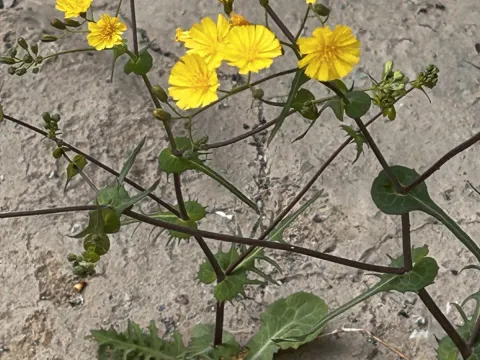
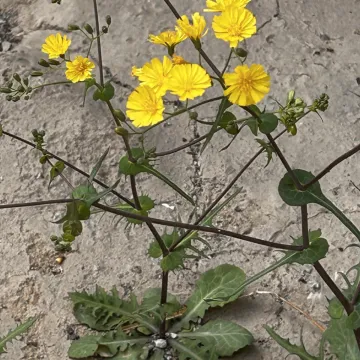
From a botanical standpoint, the plant develops a rosette of basal leaves during the vegetative stage. These leaves are typically serrated and possess a unique slightly bitter taste. As the plant matures and enters its reproductive phase, it produces an erect flowering stalk with yellow capitula. Its root system is deep and efficient, allowing the plant to tolerate moderate drought conditions once established.
Agricultural practices for this crop involve planting in loose, well-draining soil with a neutral to slightly acidic pH. While it can tolerate a variety of soil types, consistent moisture is required for optimal leaf yield. Growers should practice regular weeding and ensure the crop is harvested before the flowering stage, as the onset of bolting can negatively alter the tenderness of the leaves.
In terms of economic and practical utility, Crepidiastrum sonchifolium is primarily used as a culinary green. It is frequently blanched and served as a side dish, used in various salads, or incorporated into soups. Due to its potential health-promoting compounds, including various antioxidants, it is also valued for its dietary contributions in traditional and modern culinary traditions.
- Excellent source of antioxidants and vitamins.
- Resistant to most common environmental stresses.
- Requires careful management of moisture during seed germination.
- Susceptible to occasional aphid infestations in humid conditions.
Photo gallery