Cryptantha flaccida
Cryptantha flaccida
Description
Cryptantha flaccida is an herbaceous annual plant belonging to the Boraginaceae family. Known for its resilience in challenging environments, this species has evolved specific traits to thrive in arid climates, making it a subject of interest in botanical studies regarding drought resistance.
The plant is native to the western regions of the United States, particularly within California and the Great Basin area. Its natural habitat consists of open, dry landscapes, including sandy deserts, stony slopes, and sagebrush scrub communities, where it completes its life cycle during short wet periods.
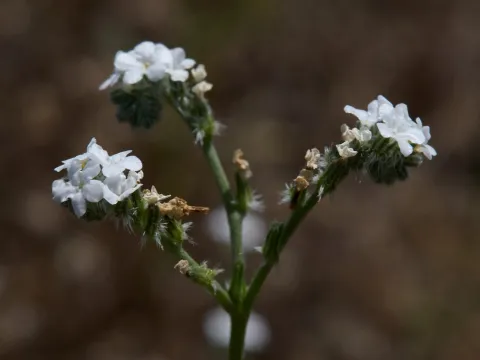
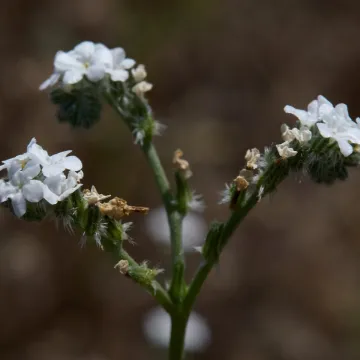
Botanically, Cryptantha flaccida is characterized by its slender, erect stems covered with stiff, hispid hairs. The leaves are narrow and alternate, and the flowers are small and white, typically featuring a distinct yellow center. The plant follows the standard Boraginaceae inflorescence pattern, producing coiled cymes that uncurl as the flowers mature.
Regarding cultivation requirements, the species demands high levels of sunlight and well-aerated, sandy soil with a low nutrient profile. It is highly sensitive to excessive moisture, which can cause root rot, and it does not require significant fertilization. Its agricultural potential is largely linked to xeriscaping and reclamation of dry, degraded lands.
In terms of plant health, Cryptantha flaccida is relatively hardy but can be susceptible to fungal pathogens like powdery mildew under conditions of poor ventilation and high humidity. Common pests include aphids and various leaf-feeding insects that target the soft tissue of the inflorescence. Effective management relies on proper drainage and maintaining adequate spacing to prevent disease spread.
Photo gallery