
Cuphea aequipetala
Cuphea aequipetala
Description
Cuphea aequipetala is a perennial herbaceous plant belonging to the Lythraceae family. In modern agronomy, this species is gaining attention as a potential new oilseed crop. Its seeds are exceptionally rich in medium-chain triglycerides, specifically caprylic and capric acids, which are highly valued in the chemical and food industries for their unique chemical properties.
The native range of this plant extends across the mountainous and subtropical regions of Mexico and parts of Central America. Because of its tropical origins, it thrives in warm, temperate environments. Research into its cultivation focuses on expanding its range to commercial farms where sustainable, high-value specialty oil crops can serve as alternatives to traditional oilseeds.
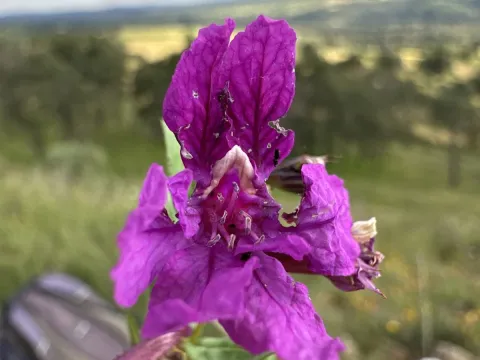
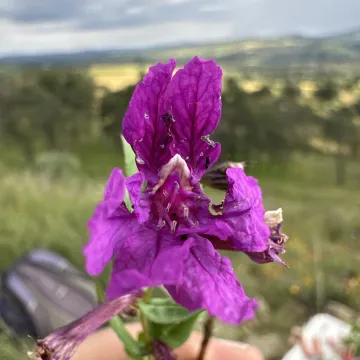
From a botanical perspective, the plant is characterized by its branching growth habit, opposite leaves, and distinctive, often vibrant zygomorphic flowers. It maintains a perennial life cycle in frost-free regions, though it is often grown as an annual in cooler climates. The major agricultural challenge remains the shattering of seed pods and non-uniform maturation, which necessitates precise timing for harvesting operations.
Optimal growth requires well-drained, fertile soils with a neutral pH level. Cuphea aequipetala is sensitive to waterlogging and frost, making site selection crucial for successful production. Agronomic practices should focus on maintaining adequate soil moisture through controlled irrigation and ensuring sufficient solar radiation for optimal flowering and seed development.
- Excellent source of caprylic and capric fatty acids.
- Potential for industrial, cosmetic, and medicinal applications.
- Sensitivity to aphid infestations and spider mites.
- Requirement for disease prevention against soil-borne root rot pathogens.
In terms of agricultural use, the focus is on harvesting the seeds to extract specialty oils that are increasingly preferred in eco-friendly chemical manufacturing. Beyond its industrial use, the plant also serves an ecological function by attracting beneficial pollinators. Growers must monitor for common pests such as aphids and implement integrated pest management strategies to ensure high yields and seed quality.
Photo gallery