Curio ficoides
Curio ficoides (L.) P. V. Heath
Description
Curio ficoides is a perennial succulent shrub belonging to the Asteraceae family. Historically referred to as Senecio ficoides, this plant is increasingly recognized in the horticultural sector for its aesthetic appeal, architectural shape, and remarkable resilience in arid environments.
The native range of this species is primarily located in the coastal and inland regions of South Africa. Adapted to rocky terrain and high light intensity, the plant has evolved to thrive in soils that are poor in nutrients but excellent in drainage, reflecting its adaptation to specific climatic niches.
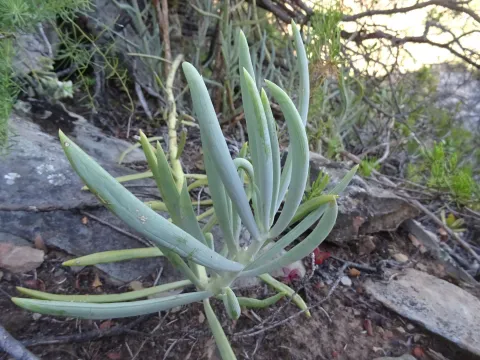
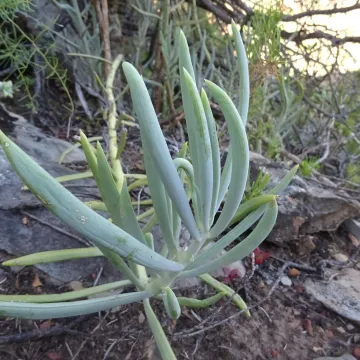
Botanically, the species is defined by its glaucous, finger-like leaves that are covered with a protective epicuticular wax. This feature, combined with its succulent tissue, allows the plant to efficiently store water and mitigate transpiration, which is crucial for survival in its indigenous habitat.
Agronomic requirements for successful cultivation include:
- Light: Full sun is necessary to prevent etiolation and maintain the blue-green foliage color.
- Drainage: The soil must be highly porous; container cultivation requires specialized succulent mixes.
- Watering: Adopt a 'soak and dry' method, ensuring the soil is completely dry before re-watering.
- Climate: It prefers warm, frost-free zones, making it suitable for Mediterranean-type climates.
The primary use of Curio ficoides is ornamental, specifically in xeriscaping, coastal landscaping, and container gardening. While generally robust, the plant is susceptible to root rot if drainage is insufficient. Common pests include mealybugs, which are typically managed through targeted application of horticultural oils or manual removal in early infestation stages.
Photo gallery