Curio herreanus
Curio herreanus (Dinter) P. V. Heath
Description
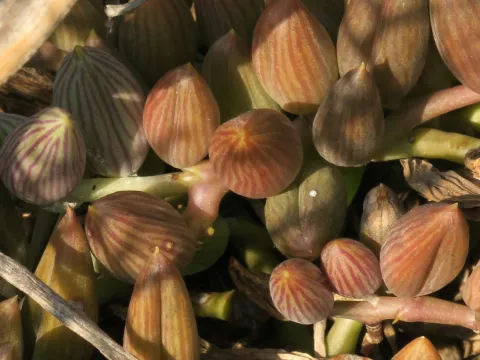
Curio herreanus, formerly classified as Senecio herreanus, is an attractive perennial succulent belonging to the Asteraceae family. Popularly known for its distinct bead-like leaves, this plant is a favorite among indoor gardeners who appreciate its trailing growth habit, making it an ideal choice for hanging baskets and elevated planters.
Native to the arid regions of Southern Africa and Namibia, this species has evolved to withstand long periods of drought. Its natural habitat consists of rocky outcrops where it thrives in well-draining mineral soil. These evolutionary adaptations make it a robust plant for those who prefer low-maintenance indoor botanical collections.
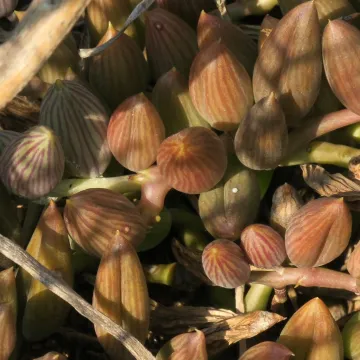
The plant is botanically distinguished by its fleshy, spindle-shaped leaves that contain translucent longitudinal stripes. These "windows" allow sunlight to reach the internal tissues, supporting photosynthesis even in shaded environments. The stems are fragile and tend to root wherever they touch the soil, facilitating easy propagation through stem cuttings.
Cultivation requirements prioritize well-aerated, gritty soil mixes that prevent waterlogging. It is essential to ensure that the pot has adequate drainage holes. While the plant prefers bright, indirect light, it can tolerate some morning sun. During the winter months, growth slows down, necessitating a reduction in watering frequency to prevent potential root rot.
Typical plant health issues usually involve overwatering, which leads to stem collapse and fungal decay. Regarding pests, the most common threats are mealybugs and spider mites, particularly in low-humidity environments. Maintaining good air circulation and inspecting the plant regularly are the most effective strategies for keeping the culture healthy and thriving throughout the year.
Photo gallery