Honeybush
Cyclopia genistoides
Description
Cyclopia genistoides, commonly known as a type of honeybush, is a woody shrub belonging to the Fabaceae family. It is a commercially significant crop primarily harvested for its use in herbal tea production. This plant is renowned for its naturally sweet, honey-like aroma and its health-promoting properties, which include being caffeine-free.
The species is endemic to the Cape region of South Africa, thriving in nutrient-poor, acidic, and sandy soils. Historically, honeybush was collected from the wild; however, due to rising global demand and environmental conservation efforts, commercial cultivation has become a necessity to ensure a sustainable supply chain.
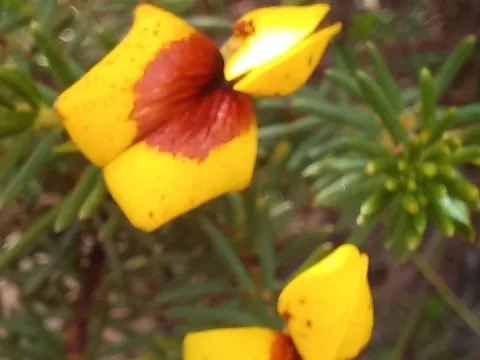
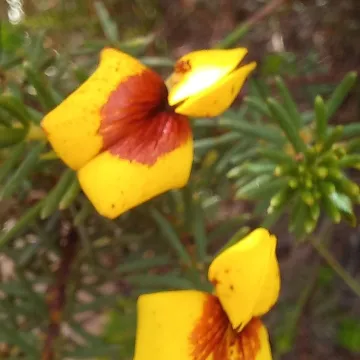
Botanically, Cyclopia genistoides is characterized by its slender, needle-like leaves and vibrant yellow flowers. It is a resilient plant capable of surviving in fire-prone fynbos biomes, where it has evolved mechanisms to recover from environmental stress. As a legume, it possesses the capacity for nitrogen fixation, which contributes to soil health in its natural habitat.
Cultivation practices for this crop are highly specialized. Successful farming depends on maintaining acidic soil conditions and ensuring excellent drainage, as the plant is susceptible to root rot if waterlogged. Growers must manage weed competition early in the growth cycle, as the plant grows relatively slowly during its establishment phase.
The main economic use of the plant is in the production of herbal infusions. Post-harvest processing involves fermenting the leaves and stems, which oxidizes the plant material, enhancing its flavor profile and color. Besides tea, researchers are exploring its potential in the cosmetic and pharmaceutical industries due to its rich polyphenol content.
Photo gallery