Cyclopia intermedia
Cyclopia intermedia
Description
Cyclopia intermedia is a perennial shrub belonging to the Fabaceae family. It is one of the most commercially significant species used for the production of honeybush tea, a caffeine-free herbal infusion renowned for its distinctive honey-like flavor. This species is native to the coastal and mountainous regions of South Africa's Western and Eastern Cape provinces.
The plant typically grows in the fynbos biome, an ecosystem characterized by nutrient-poor, acidic soils and Mediterranean climate patterns. In the wild, Cyclopia intermedia is well-adapted to surviving periodic wildfires, which trigger the germination of its seeds. Its ecological niche is strictly defined by specific drainage conditions, making its cultivation a delicate balance of replicating natural habitat stressors.
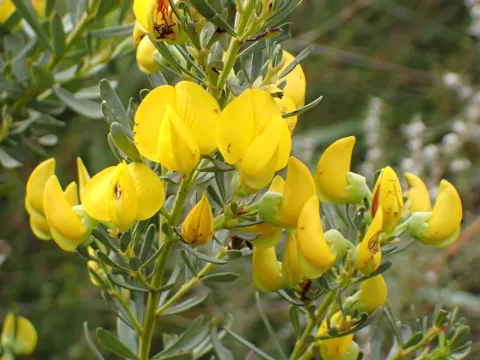
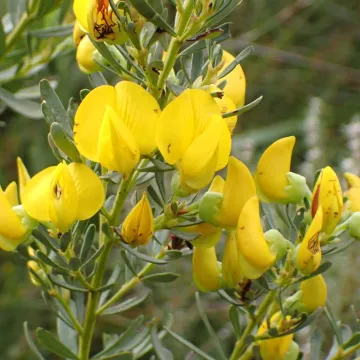
Botanically, the plant is characterized by trifoliate leaves and bright yellow, pea-like flowers. It has a slow to moderate growth rate, which necessitates careful management in agricultural settings to ensure sustainable harvesting cycles. Unlike many conventional crops, it thrives in sandy, acidic soils that would otherwise be unsuitable for intensive farming.
Cultivation requirements involve minimal intervention, focusing mainly on soil preparation that ensures excellent aeration. The plant does not require high levels of nitrogen fertilization; in fact, excessive nutrients can lead to poor plant development or increased susceptibility to pests. Regular weeding and maintaining correct spacing between shrubs are essential to ensure adequate airflow and reduce the humidity levels that the plant dislikes.
- Requires well-drained, acidic soil conditions.
- Avoids waterlogged environments to prevent root rot.
- Susceptible to fungal pathogens during humid, stagnant conditions.
- Harvesting usually occurs after the flowering stage for optimal flavor.
The economic value of Cyclopia intermedia lies primarily in the tea trade. The leaves and stems are processed through a fermentation process to develop the characteristic flavor profile. Besides its commercial utility, the crop is gaining interest due to its potential as a sustainable alternative in regions where conventional crop agriculture is not viable. Protecting the plant from pests, such as bud-boring insects, remains a primary concern for farmers aiming to maintain high-quality leaf yields.
Photo gallery