Derris elliptica
Derris elliptica (Wall.) Benth.
Description
Derris elliptica is a perennial leguminous vine known primarily for the presence of rotenone in its roots. Belonging to the Fabaceae family, this plant is recognized worldwide for its significant impact on natural pest control strategies and pharmacological research.
Originating from the tropical regions of Southeast Asia, including Malaysia and parts of Indonesia, the plant thrives in equatorial zones. Its natural habitat consists of dense tropical forests where high humidity and consistent temperatures support its rapid vegetative growth cycle.
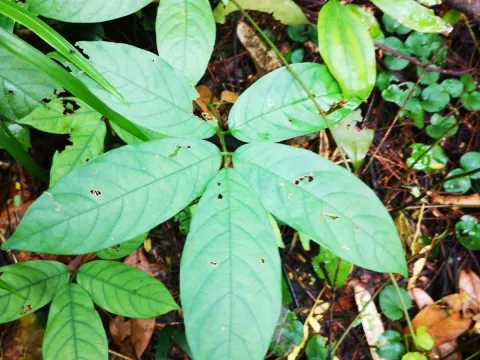
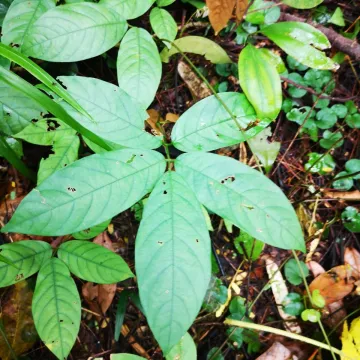
Botanically, it presents as a large, climbing shrub or woody vine. Its leaves are pinnate, and it produces pea-like flowers. The most vital part of the plant for agricultural purposes is its massive root system, where the highest concentrations of active insecticidal substances are stored.
Successful cultivation requires specific environmental conditions. It demands deep, fertile, and well-drained loamy soils. Excessive waterlogging can lead to root rot, so careful management of soil drainage is critical. The plant is best suited for climates with high annual rainfall and limited temperature fluctuations.
- Propagation through stem cuttings
- Application of organic fertilizers
- Strategic spacing for vine development
- Periodic monitoring for fungal diseases
In modern agricultural practices, D. elliptica is primarily valued for its role in producing rotenone. This compound is a selective, non-systemic insecticide that is favored for its rapid degradation in sunlight, which helps minimize residues in the environment compared to synthetic chemical pesticides.
Photo gallery