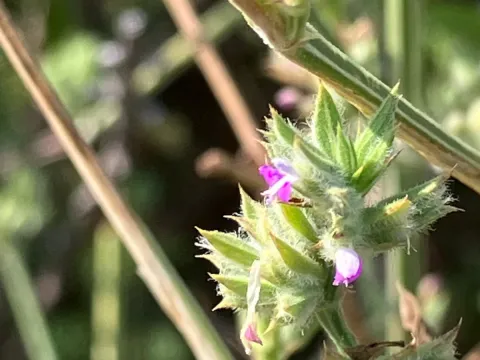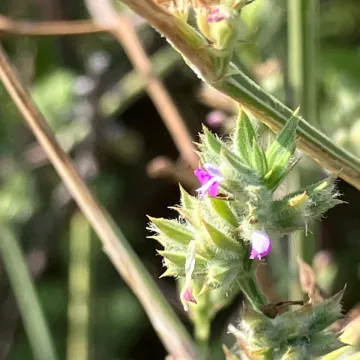
Dicliptera verticillata
Dicliptera verticillata
Description
Dicliptera verticillata is a herbaceous plant species belonging to the Acanthaceae family. It is recognized for its unique verticillate floral structures, which serve as a defining characteristic of this particular species. In agricultural and botanical circles, it is valued both for its biological properties and its potential for specialized cultivation in tropical and subtropical environments.
The plant originates from the tropical zones of Africa and Asia. It thrives in humid environments and is typically found in regions with consistent rainfall and warm temperatures throughout the year. Its natural habitat includes woodland margins and disturbed sites, which informs its preference for dappled sunlight rather than harsh, direct exposure during peak hours.
Botanically, this species is characterized by its opposite, simple leaves and tubular flowers arranged in distinct, whorled clusters. The root system is relatively fibrous and shallow, necessitating careful attention to soil moisture. The vegetative growth is often rapid, allowing the plant to establish itself quickly when conditions regarding temperature and water availability are optimal.
Cultivation requirements necessitate well-drained, nutrient-rich soil with a slightly acidic to neutral pH level. Proper agricultural management involves maintaining consistent moisture levels and providing adequate protection from extreme weather conditions. The plant performs best in areas where humidity levels are kept above 60%, reflecting its tropical origin and physiological adaptations.
- Well-drained soil rich in organic matter.
- Consistent moisture management to prevent root rot.
- Moderate sunlight exposure to maintain healthy leaf development.
- Regular pruning to encourage bushier growth and abundant flowering.
The economic utilization of Dicliptera verticillata is largely centered on its traditional medicinal applications, as various plant extracts are studied for their chemical compounds. Regarding plant health, common pests include aphids and spider mites, which can be managed with integrated pest control measures. Fungal pathogens may arise in poorly ventilated or excessively damp environments, making proper spacing and airflow essential for crop success.
Photo gallery