
Dicranostigma franchetianum
Dicranostigma franchetianum
Description
Dicranostigma franchetianum is a perennial herb belonging to the Papaveraceae (poppy) family. This species is highly valued in botanical circles for its distinct ornamental characteristics and its natural adaptation to specific ecological niches found in its native mountain habitats.
Originating from the mountainous provinces of China, such as Sichuan, the species is naturally distributed in rocky slopes and high-altitude forest edges. These habitats define its biological requirements, as the plant has evolved to thrive in cool, high-moisture environments with excellent natural drainage provided by rocky terrain.
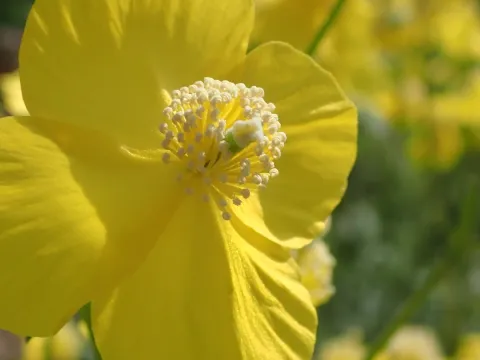
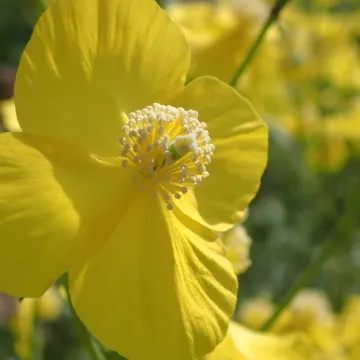
Botanically, it is characterized by a basal rosette of pinnately lobed leaves and attractive, golden-yellow flowers that typically emerge during the late spring or early summer months. The plant produces small, capsule-like fruits containing numerous seeds, which serve as the primary method for propagation in both wild and cultivated settings.
Regarding agrotechnical requirements, Dicranostigma franchetianum demands well-draining, slightly acidic to neutral soils. In cultivation, it is essential to prevent waterlogging, as the roots are susceptible to rot under excessively damp conditions. The ideal placement is in partial shade, mimicking the protection offered by mountain forest canopies, which prevents leaf scorching.
The primary use of this plant is ornamental, often utilized in rock gardens or specialized collections due to its elegant growth habit. While it is not a large-scale agricultural crop, its health management involves careful monitoring for pests like slugs and snails, as well as fungal pathogens during periods of high humidity. Proper care includes ensuring good ventilation and appropriate soil composition to maintain plant vigor.
Photo gallery