
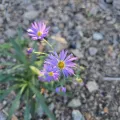
Dieteria asteroides
Dieteria asteroides
Description
Dieteria asteroides is a herbaceous species belonging to the Asteraceae family. Often associated with the genus Machaeranthera in historical botanical literature, this plant is now recognized for its unique resilience and aesthetic appeal. It is a highly adaptable species that occupies a specific ecological niche, making it a valuable subject for sustainable gardening and specialized agricultural restoration projects.
The plant originates from the arid and semi-arid regions of North America. Its natural range extends across various habitats, including dry plains, rocky outcrops, and roadsides where other vegetation struggles to thrive. Because of its evolutionary adaptation to harsh, dry climates, it is considered a premier choice for xeriscaping and drought-resistant landscape planning in modern agricultural settings.
Botanically, Dieteria asteroides is characterized by its branching stems that can grow up to 80 cm in height. The foliage is typically lanceolate and textured, designed to minimize transpirational water loss. The plant produces vibrant daisy-like flowers with distinct purple, blue, or pink rays surrounding a golden-yellow central disc. Its growth cycle is synchronized with the seasonal availability of moisture, allowing for a prolific blooming period during late summer.
Cultivation of Dieteria asteroides requires minimal intervention, provided the environmental conditions are met. The primary requirement is well-draining, gritty, or sandy soil. It thrives in full sun exposure and is highly tolerant of poor soil fertility. Agricultural maintenance involves light cultivation of the soil surface to prevent compaction and ensuring that the seedlings have sufficient space to establish their root systems without competition from aggressive weed species.
The commercial and ecological applications of the species are diverse:
- Xeriscaping and ornamental land development.
- Support for native pollinator populations, particularly honey bees.
- Soil stabilization and erosion control on disturbed slopes.
- Cut flower production for naturalistic and rustic floral designs.
Like many plants in the Aster family, Dieteria asteroides can be susceptible to powdery mildew if airflow is restricted or humidity remains high for prolonged periods. Additionally, aphids may target the succulent terminal growth during early spring. Integrated pest management, focusing on proper spacing and occasional preventive biological control, is sufficient to maintain healthy populations and ensure high-quality biomass production.
Photo gallery