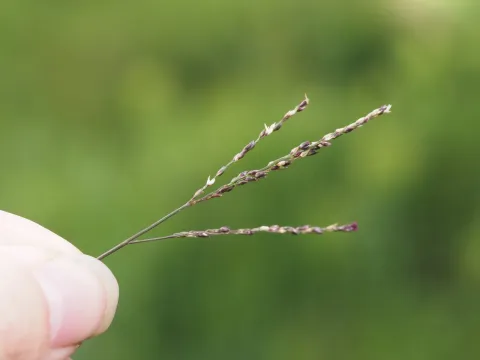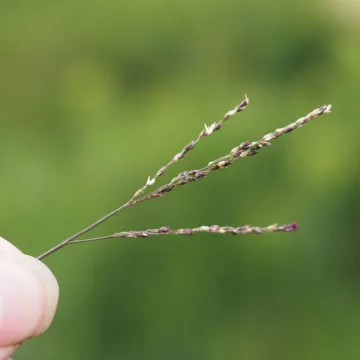
Abyssinian crabgrass
Digitaria abyssinica
Description
Abyssinian crabgrass (Digitaria abyssinica) is a perennial grass species belonging to the Poaceae family. It is widely recognized in tropical agriculture not as a primary crop, but as a persistent and highly invasive weed that can significantly reduce yields in various farming systems.
The native range of this species is centered in East and Central Africa, particularly in the highland regions of countries like Ethiopia and Kenya. Its ability to adapt to diverse ecological niches has allowed it to spread across a variety of habitats, including disturbed lands, pastures, and plantation crops.
The botanical structure of Digitaria abyssinica is characterized by a dense, extensive network of rhizomes. These subterranean stems allow the plant to spread horizontally through the soil, making it extremely difficult to eradicate once it has established a foothold in a cultivated field.
In terms of agricultural requirements, the species is highly resilient. It thrives in various soil types and exhibits remarkable tolerance to fluctuating moisture levels. Standard agronomic practices for managing this weed involve heavy cultivation to fragment the rhizomes, combined with the application of herbicides that target the root system.
While the plant has limited use as forage for livestock due to its aggressive growth pattern, it poses a significant threat to global food security in its native regions. Control strategies often involve:
- Mechanical removal through deep plowing and harrowing.
- Implementation of crop rotation cycles to break the infestation cycle.
- Use of competitive cover crops to suppress rhizome development.
- Targeted chemical control during the active growth phase.
Photo gallery