Dimeria ornithopoda
Dimeria ornithopoda
Description
Dimeria ornithopoda is a distinctive grass species belonging to the Poaceae family. As an annual plant, it is recognized for its unique morphological features and its ability to thrive in various environmental conditions throughout its native range. It is primarily considered a wild grass species that occasionally contributes to local fodder systems in tropical agricultural settings.
The plant originates from the tropical and subtropical regions of Asia and Australia. It is commonly found in damp grasslands, rice paddy margins, and areas with periodic water saturation. Its distribution is closely linked to its ability to colonize open habitats, making it a frequent sight in disturbed landscapes and natural meadows where it competes successfully with other annual herbs.
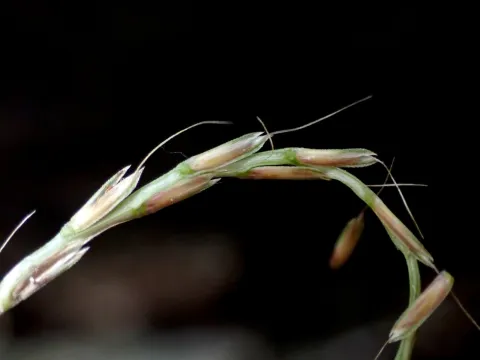
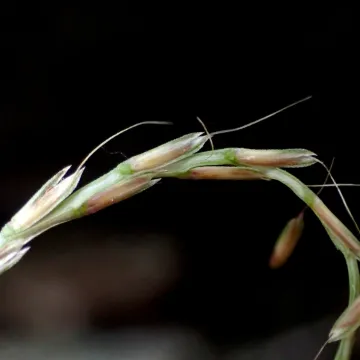
Botanically, Dimeria ornithopoda is characterized by thin, slender culms that typically grow to a height of 30 to 60 centimeters. Its leaves are narrow and often pubescent, providing a distinct texture. The most identifying feature is its inflorescence, which consists of racemes arranged in a way that resembles a bird's foot, which is the literal translation of its specific epithet, ornithopoda.
In terms of agricultural requirements, the species favors sunny locations and can tolerate a wide variety of soil types, from sandy to loamy. It does not require intensive fertilization, making it a low-input crop candidate for regions with limited resources. Moisture management is critical during the initial growth phase, but the plant displays decent resilience once established, even in less-than-ideal soil profiles.
The primary economic use of Dimeria ornithopoda involves its consumption as fodder for livestock. Grazing animals find the young shoots palatable and nutritious during the growing season. Beyond agriculture, researchers are evaluating the species for potential use in soil stabilization projects, as its root system can effectively prevent erosion on light, sandy slopes commonly found in its native geographical range.
- Member of the Poaceae family.
- Recognized by its bird-foot-like inflorescence.
- Adapted to tropical and subtropical climates.
- Valued for erosion control and local fodder.
Photo gallery