Dioclea megacarpa
Dioclea megacarpa
Description
Dioclea megacarpa is a perennial woody vine belonging to the Fabaceae (legume) family. This species is native to the tropical regions of the Americas and is recognized for its large, woody pods that distinguish it within its genus.
The plant originates from the tropical forests of Central and South America. It typically thrives in humid environments, climbing over forest vegetation to reach the canopy. As a leguminous species, it plays a vital role in local ecosystems by fixing atmospheric nitrogen and contributing to soil enrichment.
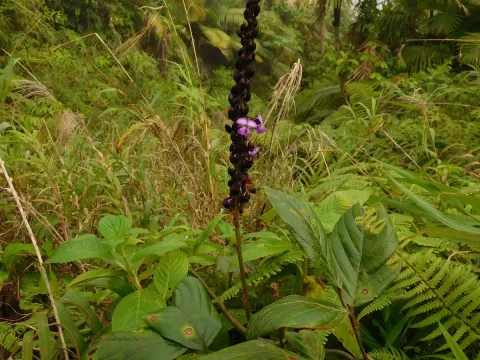
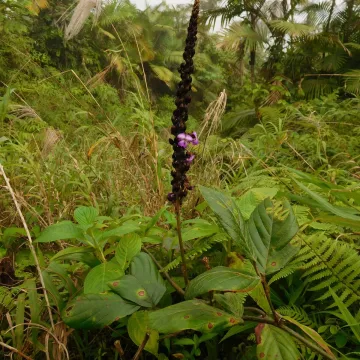
Botanically, the plant is characterized by trifoliate leaves and large, dense racemes of flowers. The seeds are enclosed in thick-walled, durable pods. The robust root system is designed to support the extensive vertical growth of the vine, allowing it to survive in competitive forest environments.
To cultivate this species effectively, a climate with consistently warm temperatures and high humidity is essential. The plant requires deep, well-drained, and nutrient-rich soils. Successful management involves providing vertical support structures and ensuring consistent irrigation without allowing waterlogged conditions, which can lead to root rot.
Economically, Dioclea megacarpa is studied for its potential in agroforestry and soil restoration projects. While not widely commercialized, it offers benefits as a nitrogen-fixing cover crop. Common pests include various stem-boring insects and foliage-feeding caterpillars, while management focuses on integrated pest control methods and maintaining optimal soil drainage to prevent fungal infections.
Photo gallery