Dioclea violacea
Dioclea violacea
Description
Dioclea violacea is a perennial climbing plant belonging to the Fabaceae family. As a significant tropical legume, it is recognized for its robust growth patterns and its potential as a multifunctional crop in warm climates, serving as both a source of biomass and a biological soil enhancer.
The species originates from South and Central America, where it thrives in humid tropical forest environments. Its distribution spans areas that provide consistent warmth and rainfall throughout the growing season. In recent years, it has gained interest for its ability to integrate into sustainable agricultural systems in tropical regions.
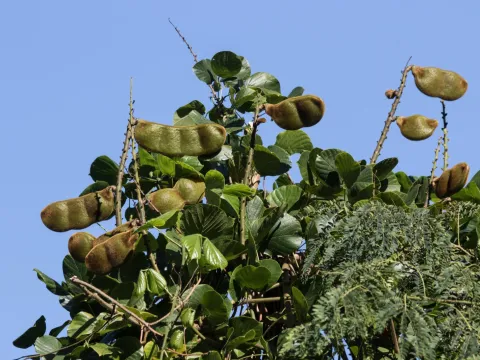
Botanically, Dioclea violacea is characterized by its vining habit, requiring structural support for optimal development. The plant features trifoliate leaves and produces distinctive, vibrant purple or violet flowers arranged in racemes. These flowers are highly attractive to pollinators, which are essential for successful seed production within the leguminous pods.
Regarding cultivation requirements, the plant demands a frost-free climate with consistent temperatures. It thrives in well-drained soils that allow for good root penetration. While it is adaptable to various soil types, the presence of specific rhizobia bacteria is essential for the plant to perform nitrogen fixation efficiently, which is the primary driver of its soil-improving properties.
The primary economic uses of Dioclea violacea include animal fodder, where it provides a high-protein feed source, and cover cropping to suppress weeds and prevent soil degradation. Disease management is focused on preventing fungal infections, such as those caused by stagnant humidity, and controlling common tropical pests like beetles that target leguminous vegetation.
Photo gallery