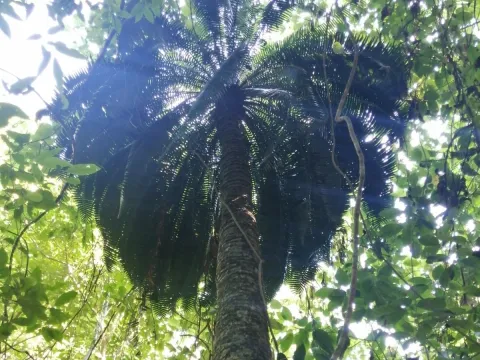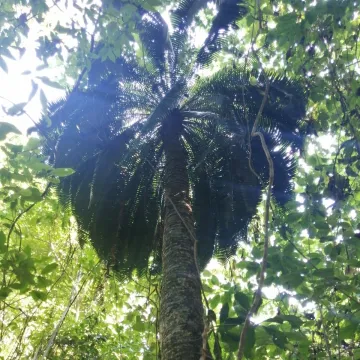
Dioon spinulosum
Dioon spinulosum
Description
Dioon spinulosum, commonly known as the Giant Dioon, is a majestic species belonging to the Zamiaceae family. As one of the largest members of the cycad order, it is highly prized for its prehistoric appearance and architectural stature, making it a focal point in botanical gardens and upscale landscape projects worldwide.
Native to the limestone forests of Mexico, particularly in the states of Veracruz and Oaxaca, this species thrives in well-drained, nutrient-poor soil. In its natural habitat, it has adapted to humid tropical conditions, yet it possesses remarkable drought tolerance due to the water-storage capabilities of its thick, trunk-like stem, which can reach significant heights over several decades.
Botanically, Dioon spinulosum features long, pinnate leaves with spine-tipped leaflets, giving it a distinctive look. It is a slow-growing plant, which makes it a long-term investment for collectors. The plant produces large, cone-like structures that house reproductive organs; however, seed production is rare in domestic cultivation and requires specific environmental cues.
Agrotechnical management requires a focus on soil aeration and light exposure. The plant flourishes in bright, filtered light and requires a substrate that mimics its native rocky environment—composed of grit, perlite, and organic material. Overwatering is the most common cause of failure, as the roots are highly susceptible to rot when subjected to stagnant, waterlogged conditions.
Key cultivation practices include:
- Maintaining a temperature range between 18°C and 28°C during the growing season.
- Ensuring deep, infrequent watering cycles.
- Providing adequate space for root expansion in large containers.
- Implementing a monthly fertilization schedule during spring and summer.
In terms of plant health, Dioon spinulosum is relatively resistant to pests, but occasional infestations of mealybugs or scale insects should be treated promptly with horticultural oils. Diseases are primarily related to improper irrigation, which leads to root rot. Providing excellent drainage and good air circulation remains the most effective strategy for maintaining a healthy and vibrant specimen.
Photo gallery