
Dissotis rotundifolia
Dissotis rotundifolia
Description
Dissotis rotundifolia, commonly known in its native regions, is a perennial herbaceous plant belonging to the Melastomataceae family. In agricultural and horticultural practices, it is highly regarded as an effective groundcover species capable of suppressing weeds and preventing soil erosion in tropical climates.
The plant originates from the tropical regions of Africa. Due to its adaptability and rapid growth, its cultivation has spread across various humid tropical environments worldwide. It is frequently employed in sustainable landscape management to cover bare soil and maintain soil moisture levels in plantation settings or botanical gardens.
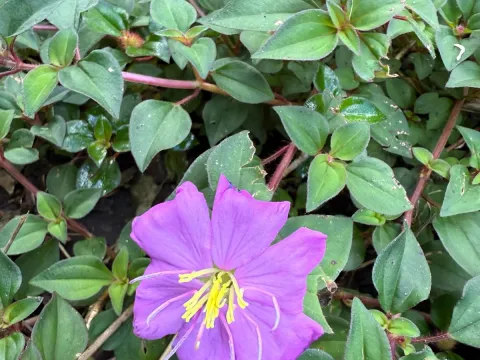
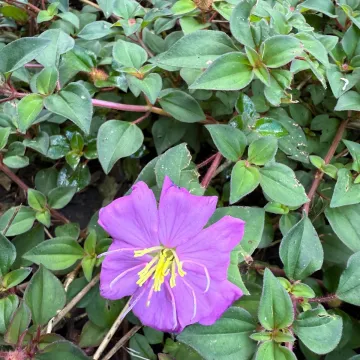
Botanically, this species is characterized by its prostrate, rooting stems and rounded leaves that exhibit the characteristic venation of the Melastome family. The plant produces vibrant, purplish-pink flowers that contribute to its aesthetic value. Its ability to propagate via stolons allows it to form dense, lush mats that provide excellent soil protection.
Cultivation requirements for this crop involve maintaining high humidity and consistent soil moisture. It thrives best in partial shade, as intense direct sunlight can scorch the foliage. The soil must be well-drained yet rich in organic matter to support the rapid growth of the trailing stems. Regular pruning is necessary to maintain the health and vigor of the mat.
In terms of хозяйственное usage, it is primarily used for ground stabilization and aesthetic enhancement. Typical agricultural pests that may affect its health include aphids and spider mites, especially in greenhouse conditions. Disease management focuses primarily on preventing fungal rot, which is common in environments with poor drainage and excessive moisture.
- Family: Melastomataceae
- Temperature range: 20–28°C
- Soil requirements: Fertile, moist, well-drained
- Propagation: Cuttings and node division
Photo gallery