Dombeya calantha
Dombeya calantha
Description
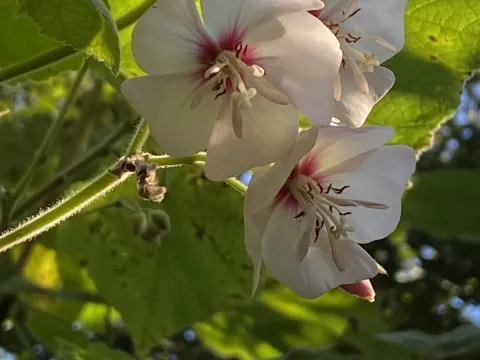
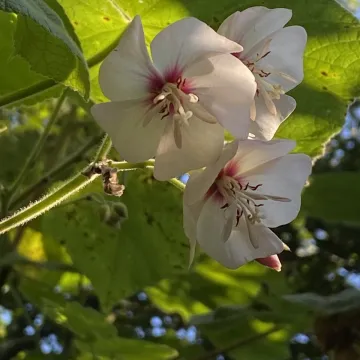
Dombeya calantha is an attractive flowering shrub belonging to the Malvaceae family. Recognized for its spectacular floral displays, this species is highly valued in horticulture for its clusters of bell-shaped, fragrant flowers that provide a stunning visual impact during the blooming season.
Native to the mountainous regions of Eastern Africa, particularly within Malawi and Mozambique, this plant has adapted to specific ecological niches. It typically thrives in forest margins and mountainous areas, where environmental conditions provide both moisture and well-drained soil, supporting its growth into a robust, evergreen shrub or small tree.
Botanically, the plant is distinguished by its large, cordate, and pubescent leaves, which add texture to the foliage. The inflorescences are dense, pendulous umbels, usually shades of pink, creating a unique aesthetic. Its growth habit is characterized by rapid development of branches, requiring consistent pruning to maintain a desirable shape and size.
Cultivation requirements focus on fertile, well-draining soil and a climate that avoids extreme frost. In agricultural or ornamental practice, the soil should be kept moderately moist, but never waterlogged. Regular fertilization is recommended during the growing season to ensure vigorous health and to support the energy-demanding flowering process.
The primary use of Dombeya calantha is in ornamental landscaping, where it serves as a show-stopping feature plant or an informal hedge. While generally hardy, the plant can be susceptible to common pests such as aphids and spider mites. Proactive pest management and maintaining proper airflow around the foliage are essential for preventing fungal diseases and maintaining high plant vigor.
Photo gallery