Dombeya cymosa
Dombeya cymosa
Description
Dombeya cymosa is a striking evergreen shrub or small tree belonging to the Malvaceae family. Highly valued by gardeners for its aesthetic appeal, this plant is renowned for its cascading clusters of delicate, fragrant flowers that add significant visual interest to any garden landscape during the peak blooming season.
Originating from the diverse regions of Southern Africa, this species is typically found in forest margins and along riverbanks. Its natural resilience has made it a popular choice for ornamental cultivation in subtropical climates. When grown in cooler regions, it thrives in conservatory or greenhouse environments where temperature and humidity can be controlled.
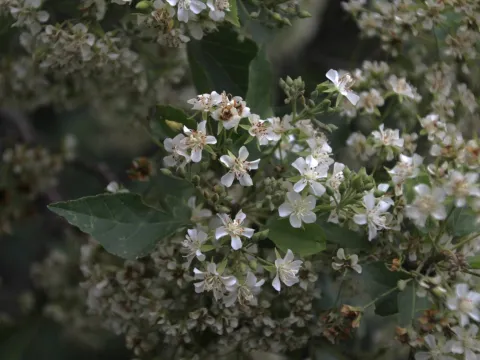
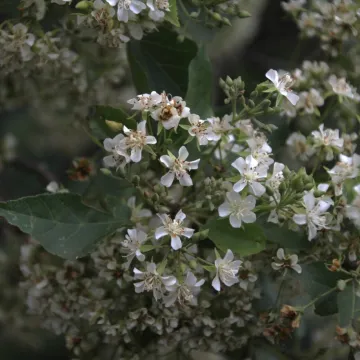
Botanically, the plant is characterized by its large, heart-shaped, veined leaves and its unique inflorescence structure. The flowers, which often bloom in late winter or early spring, emerge in tight cymes. These blooms are not only visually pleasing but also act as a magnet for local pollinators, significantly enhancing the biodiversity of the surrounding area.
Successful cultivation of Dombeya cymosa requires well-drained, nutrient-rich soil with a neutral to slightly acidic pH. The plant performs best in full sun or light dappled shade, protected from harsh, desiccating winds. Consistent moisture is crucial for young specimens, although mature plants show a moderate level of tolerance to short dry spells once established.
The primary use of this crop is in ornamental horticulture for landscape design, hedging, and garden screening. Maintenance includes routine pruning after flowering to encourage dense growth and maintain an attractive form. While generally robust, gardeners should be vigilant regarding pests such as spider mites and aphids, which can be managed with standard integrated pest management practices.
Photo gallery