Dombeya reclinata
Dombeya reclinata
Description
Dombeya reclinata is a woody plant belonging to the Malvaceae family. Known for its robust growth and structural versatility, this species thrives in tropical environments, often forming significant parts of local forest ecosystems or managed landscape projects.
Originating from the African continent, this species is well-adapted to humid forest fringes and subtropical climates. Its natural distribution is largely concentrated in regions with high biodiversity, where it plays an ecological role in soil stabilization and providing habitat for local fauna.
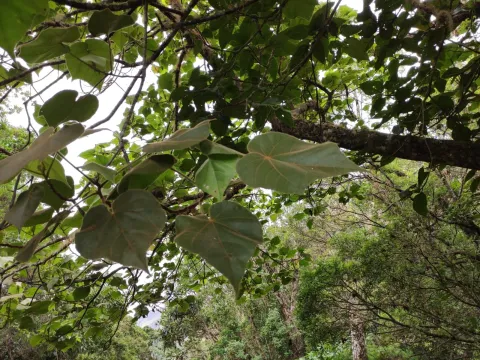
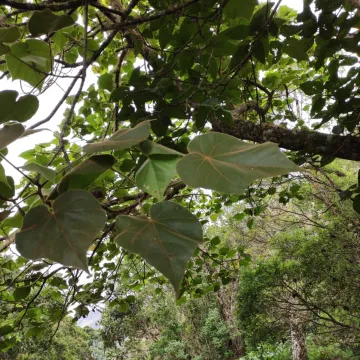
Botanically, the plant is characterized by its large, heart-shaped leaves and dense umbel-like inflorescences. It typically grows as a small to medium-sized tree or a multi-stemmed shrub. The bark and leaves exhibit typical Malvaceae traits, with a propensity for rapid development when soil nutrients are sufficient.
Agronomic requirements for Dombeya reclinata include well-drained, fertile soil and protection from extreme, arid winds. It prefers a humid climate but requires careful management of irrigation during the establishment phase. The plant responds well to organic fertilization and balanced light exposure, ensuring steady foliage development.
The host of agricultural uses for this plant ranges from ornamental landscaping to soil erosion control in agroforestry systems. In some contexts, its quick biomass production makes it an interesting subject for local sustainable cultivation, provided the environmental conditions match its tropical requirements.
- Annual pruning to maintain plant shape and health.
- Regular soil testing to maintain nutrient availability.
- Monitoring for common pests like aphids and scale insects.
- Ensuring adequate drainage to prevent fungal pathogens.
Photo gallery