
Dombeya rotundifolia
Dombeya rotundifolia
Description
Dombeya rotundifolia, commonly known as the Wild Pear, belongs to the Malvaceae family. It is a deciduous tree or shrub highly regarded in its native regions for its resilience, adaptability to various soil types, and tolerance to environmental stressors such as frost and wildfires.
The species is native to tropical and subtropical Africa, spanning from South Africa northwards to Ethiopia and Kenya. It thrives in diverse habitats including open woodlands, savannahs, and rocky hillsides, reflecting its evolutionary capacity to survive in fluctuating water availability conditions.
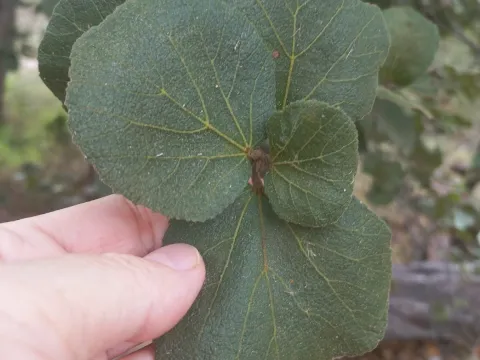
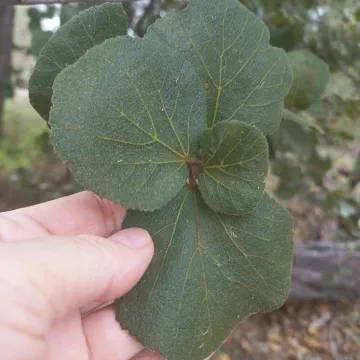
Botanically, this plant is recognized by its rough, dark brown bark and simple, circular leaves with prominent venation. A defining characteristic is its prolific flowering period in early spring, when the bare branches are densely covered in clusters of fragrant, white to pale pink blossoms that serve as a crucial early-season nectar source.
Cultivation requirements are relatively straightforward. The species prefers well-drained, fertile soil and requires a location with full sun exposure. While mature specimens are highly drought-tolerant, supplemental watering during the initial growth phase is recommended. Propagation is primarily achieved through seeds, which should be planted shortly after they are collected.
Economically, Dombeya rotundifolia is utilized in various ways: its durable wood is used for crafting small furniture items and tool handles, while the fibrous inner bark is historically used for rope making. Furthermore, it is a popular ornamental species in landscaping and a vital plant for apiculture due to its heavy nectar production. Monitoring for common garden pests like aphids is advisable to ensure optimal tree health.
Photo gallery