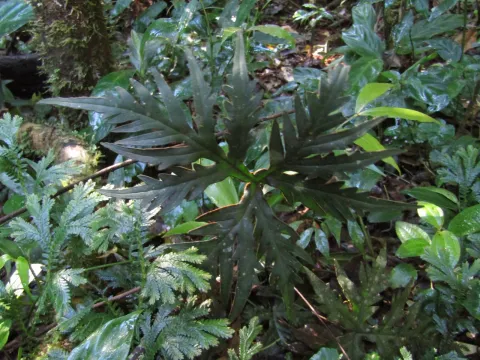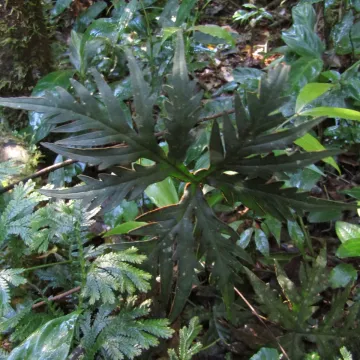
Doryopteris nobilis
Doryopteris nobilis
Description
Doryopteris nobilis is a species of fern in the family Pteridaceae. As a delicate and highly ornamental species, it is widely recognized by horticulturists for its distinctive frond morphology, which adds significant aesthetic value to indoor plant collections and controlled conservatory environments.
Originating from the tropical forests of Brazil, this species thrives in humid and shaded conditions. Its natural habitat is characterized by rocky outcrops where the soil is rich in organic matter, providing a blueprint for the specific cultivation requirements needed for successful growth in commercial and amateur horticulture.
The botanical structure of Doryopteris nobilis is defined by a creeping rhizome and attractive, leathery fronds that emerge in a rosette pattern. The foliage is noted for its ability to adapt in texture and shape depending on the intensity of light exposure, which is a key observation for those managing the plant's development.
Agricultural techniques for this crop focus on maintaining high ambient humidity levels and utilizing well-draining, slightly acidic soil media. It is essential to ensure consistent hydration without inducing waterlogging, as the root system is prone to hypoxia. Fertilization should be mild and consistent throughout the growing season to support steady frond production.
The primary use of this plant is ornamental, serving as a specimen plant in greenhouse production and interior landscaping. Common phytosanitary challenges include infestations by spider mites and scale insects. Furthermore, improper irrigation often leads to root rot pathogens. Maintaining good air circulation and preventing stagnant water in the root zone are the best preventive measures for sustainable cultivation.
Photo gallery