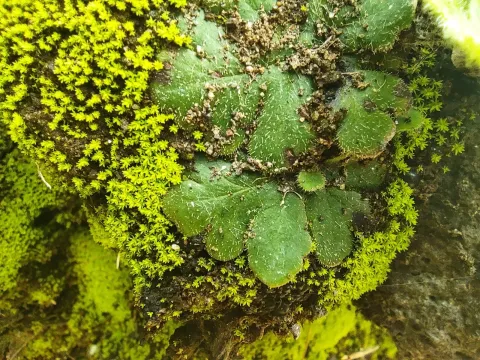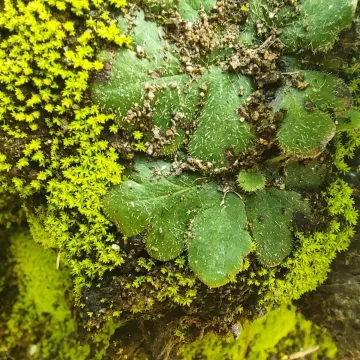
Doryopteris pilosa
Doryopteris pilosa
Description
Doryopteris pilosa is a distinctive species of fern belonging to the Pteridaceae family. Known for its delicate, pubescent fronds, this plant is highly regarded in the horticultural community as an ornamental specimen. Its unique appearance makes it a sought-after addition for collectors of rare ferns and tropical foliage plants.
The native range of Doryopteris pilosa is primarily centered in tropical regions, specifically across the Pacific Islands, including Hawaii. In its natural habitat, the fern typically thrives in shaded, humid environments, often anchoring itself in rocky crevices where moisture levels remain consistently high. This ecological background is crucial for understanding its specific environmental needs in a controlled setting.
Botanically, the plant is characterized by a rhizomatous growth habit and fronds that are often deeply lobed or palmately divided. The fine hairs (pilose) covering the leaf surfaces act as a biological adaptation to regulate moisture loss and protect the plant from environmental stressors. The growth rate is generally slow, making it an ideal candidate for long-term terrarium cultivation.
Cultivation requires careful attention to soil composition and water management. A well-draining, slightly acidic substrate is essential, typically utilizing a mixture of peat moss, pine bark, and perlite. Unlike many common ferns, Doryopteris pilosa is particularly sensitive to stagnant water at its roots, which necessitates a robust drainage layer in any container or planting setup.
- Light: Moderate to bright indirect light is required.
- Temperature: Prefers stable temperatures between 18°C and 24°C.
- Watering: Keep the substrate consistently moist but never waterlogged.
- Humidity: Maintain humidity levels above 60% for optimal health.
Common pests include spider mites and mealybugs, which are typically attracted to the plant under conditions of low humidity or poor ventilation. Diseases are usually related to fungal infections or root rot caused by improper soil moisture levels. By maintaining appropriate environmental hygiene and stable growth conditions, growers can prevent most of these issues effectively.
Photo gallery