Dracophyllum strictum
Dracophyllum strictum
Description
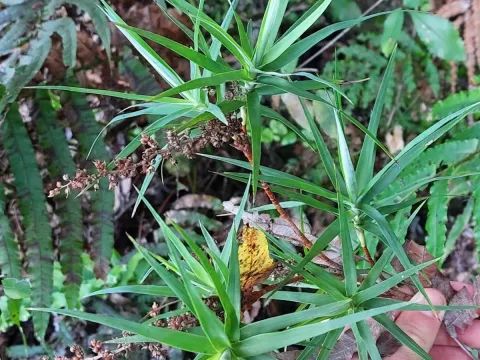
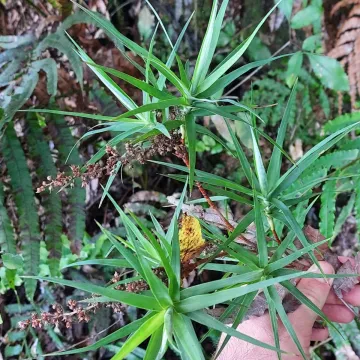
Dracophyllum strictum is a perennial evergreen plant species belonging to the family Ericaceae. Commonly found as a shrub, it is distinguished by its unique habit, featuring stiff, linear leaves arranged in dense, terminal clusters. This structure makes it an interesting subject for specialized botanical collections and ornamental horticulture.
The plant originates from New Zealand, where it occupies specific ecological niches within mountain forests and alpine heaths. Because of its native range, the species is highly adapted to cool, moist climates with acidic soil conditions. Understanding its origin is crucial for successful cultivation, as it reflects the specific environmental tolerances of the plant.
Botanically, this species is defined by its slow growth rate and woody stems. The leaves are typically sclerophyllous, which helps the plant withstand exposure to strong winds and variable humidity levels. Its flowers, while often small, play a significant role in its overall aesthetic appeal during the spring and summer blooming seasons.
Agronomic requirements for this culture are centered on soil quality and drainage. It thrives in porous, acidic media that mimics its native habitat. Regular moisture is necessary, but the root system is extremely susceptible to anaerobic conditions caused by waterlogging. Consequently, effective irrigation management and the use of well-structured soil mixes are fundamental for maintaining healthy growth.
In terms of usage, Dracophyllum strictum is primarily valued in ornamental landscapes, particularly in rock gardens or greenhouse collections. Common phytosanitary issues include root rot caused by pathogens like Phytophthora, which thrive in poorly drained soil. Pest management focuses on monitoring for spider mites and scale insects, which can be detrimental if not controlled in controlled-environment settings.
Photo gallery