Coastal wood fern
Dryopteris arguta
Description
Coastal wood fern (Latin Dryopteris arguta) is a perennial herbaceous plant belonging to the Dryopteridaceae family. It is a highly valued species in ornamental horticulture and landscape design, known for its robust growth habit and architectural foliage that adds significant value to woodland gardens.
The plant originates from the Pacific coast of North America, where it thrives in diverse habitats ranging from coastal forests to rocky canyons. This geographical background makes it a resilient choice for regions with similar temperate conditions, allowing it to adapt well to various microclimates in cultivated environments.
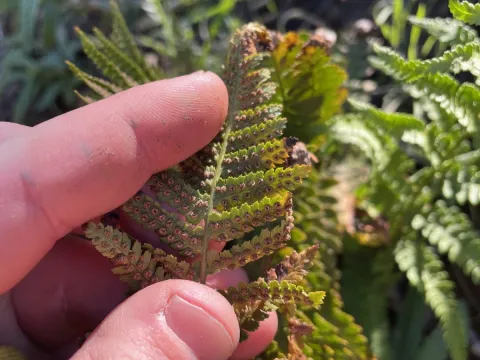
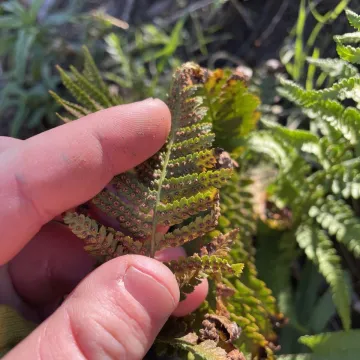
Botanically, this fern is characterized by its rhizomatous root system and distinctive fronds that are twice-pinnate with sharp, serrated edges. The fronds can reach significant sizes, forming dense, dark-green clumps. Like most ferns, it reproduces via spores produced in clusters on the underside of the leaflets, and it can also be propagated by rhizome division.
For successful cultivation, soil requirements involve high organic content and excellent drainage. Although it thrives in semi-shade, it can tolerate more exposure in cooler, humid coastal areas. Water management is critical; while it prefers moist soil, it requires careful drainage to prevent root rot, which is a common physiological threat in saturated, poorly aerated conditions.
The species is generally robust against common pests, but growers should be vigilant against aphids and scale insects in indoor or greenhouse settings. Diseases such as crown rot can occur if air circulation is poor or humidity levels are excessively high. Its primary utility lies in creating naturalistic, shade-tolerant landscapes, acting as a reliable groundcover in forestry-related projects or home gardens.
Photo gallery