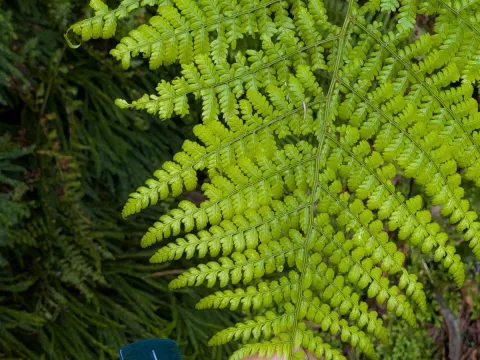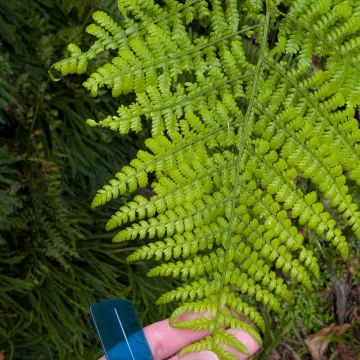
Azores wood fern
Dryopteris azorica
Description
Azores wood fern (Dryopteris azorica) is a perennial sporophyte plant belonging to the Dryopteridaceae family. Unlike traditional agronomic crops used for food production, this species serves a vital role in ornamental horticulture and botanical conservation. It is celebrated for its lush, textured foliage and its ability to thrive in shaded environments where many other plants fail to establish.
The native range of this fern is primarily the Azores archipelago, which dictates its climate preferences. The plant is adapted to mild, humid, and temperate oceanic conditions. It is not considered a frost-hardy species in extreme northern climates, meaning that in many regions, it requires sheltered conditions or indoor cultivation to survive the winter months successfully.
Botanically, it is characterized by its short, rhizomatous root system and dense rosettes of pinnately compound fronds. The fronds are deep green, leathery to the touch, and demonstrate the classic structural symmetry found in the genus Dryopteris. The plant grows slowly, forming a stable clump that adds vertical interest and a forest-floor aesthetic to landscape designs.
In terms of cultivation, the Azores wood fern requires high organic matter content in the soil and consistent moisture. It thrives best in well-draining soil that is kept moist but not waterlogged. The ideal site is one with partial to full shade, protected from strong, drying winds. It performs well in woodland-style garden beds or as a specimen plant in container setups.
The horticultural applications for this plant include:
- Understory plantings in forest-themed gardens
- Filling shaded gaps in landscape borders
- Use in ornamental terrariums or glass houses
- Preservation in specialized botanical collections
Regarding health management, the plant is susceptible to common fern pests such as scale insects and spider mites, particularly when humidity levels drop too low. Pathogens like leaf spot fungi can occur in poorly ventilated areas. Maintaining good airflow and avoiding overhead watering during cooler periods are essential practices for keeping the foliage healthy and vibrant throughout the season.
Photo gallery