Durio griffithii
Durio griffithii
Description
Durio griffithii, commonly known as Griffith's durian, is a member of the Malvaceae family, native to the tropical rainforests of Southeast Asia. Unlike the widespread commercial durian, this species is primarily known for its unique botanical profile and adaptation to specific lowland forest ecosystems in Borneo, Sumatra, and the Malay Peninsula. It is a tall evergreen tree characterized by its dense canopy and distinct leaf morphology.
The climate requirements for this species are strictly tropical. It thrives in regions with high annual rainfall and minimal temperature fluctuations, typically remaining between 23°C and 30°C. High atmospheric humidity is essential for the tree's physiological processes, and the species is sensitive to prolonged dry spells, which can lead to premature leaf drop and fruit abortion.
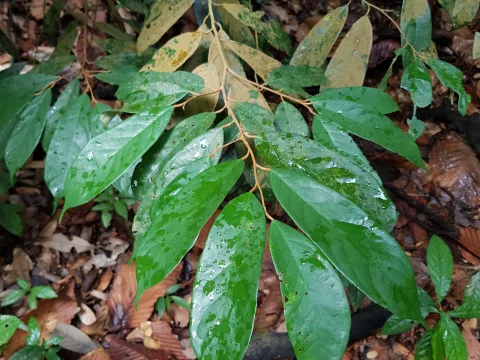
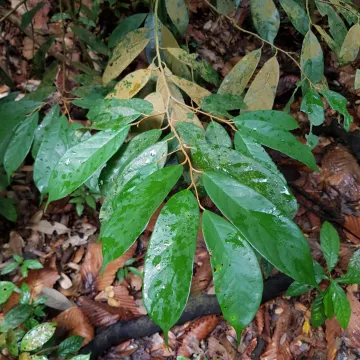
Botanically, the fruits of Durio griffithii are smaller than those of the more famous Durio zibethinus. The husk is covered in relatively soft, pyramid-shaped spines. Internally, the edible arils surround the seeds and are consumed locally. The leaves are distinctively metallic or silvery on the underside due to a dense covering of scales, which is a key identifying characteristic for field identification of the species.
Agricultural management of this crop involves selecting deep, well-draining soils with high organic content. On plantation sites, farmers must provide initial shading for young saplings to protect them from excessive solar radiation. The trees are susceptible to soil-borne pathogens if the drainage is insufficient, meaning that site selection must prioritize locations that avoid seasonal waterlogging despite the species' tolerance for humid environments.
The economic and agricultural utility is largely localized, with harvest usually consumed by communities living near the forest margins. While it does not hold a significant share of the international fruit trade, the species remains a genetic resource for breeding and a source of nutritional value for local populations. Pests include fruit-boring larvae and various sap-sucking insects, while common diseases involve fungal root rots, which are managed through careful spacing and monitoring of soil health.
Photo gallery