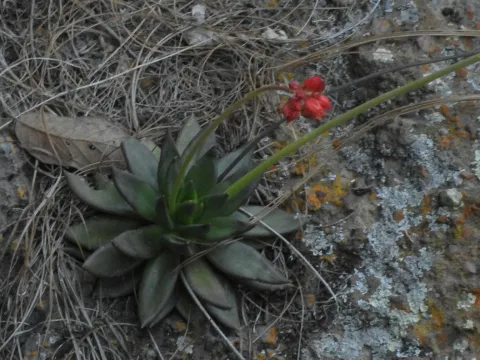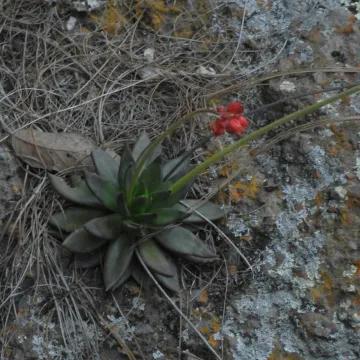
Echeveria affinis
Echeveria affinis E. Walther
Description
Echeveria affinis is a captivating succulent species belonging to the Crassulaceae family. Widely recognized in the horticultural community for its deep, dark chocolate-to-black coloration, it forms a compact, symmetric rosette. This species is often sought after for its architectural appearance and dramatic color contrast compared to other common succulents.
The plant originates from the arid regions of Mexico, where it thrives in rocky, well-drained habitats. Its evolutionary history in desert-like conditions has made it highly specialized in water conservation and intense sun exposure. Understanding these origins is essential for successful cultivation in both greenhouse and home environments.
Botanically, Echeveria affinis is defined by its thick, pointed leaves coated with a subtle waxy cuticle that protects it from transpiration loss. The plant typically stays relatively small, usually under 15 centimeters in diameter. Its inflorescence is quite striking, producing bright red, bell-shaped flowers on slender stalks, which typically bloom during the late spring or early summer months.
Agricultural requirements for this succulent focus on mimicking its native environment through controlled conditions. Key aspects include:
- Light: Requires bright, direct sunlight to maintain the dark color intensity.
- Watering: Apply the "soak and dry" method, ensuring the soil is completely dry before watering again.
- Substrate: Use a highly porous, inorganic-based potting mix with excellent drainage.
- Temperature: Thrives in warm summers; needs a cooler, dry winter period to induce dormancy.
Economically, Echeveria affinis serves as a specialty crop in the nursery industry. It is primarily used for indoor decorative displays, landscape architecture in arid zones, and in the flourishing market of terrarium and dish garden sales. Its aesthetic value makes it a premium product for succulent enthusiasts and commercial floristry.
The most common pests affecting this species are mealybugs, which thrive in the tight spaces of the leaf rosettes. Pathogens like root rot are usually the primary cause of plant failure, typically induced by improper drainage or excessive soil moisture. Preventive maintenance, including proper spacing and good air circulation, is the most effective management strategy.
Photo gallery