Long-stalked Amazon sword
Echinodorus longiscapus
Description
Echinodorus longiscapus, commonly known as the long-stalked Amazon sword, is a perennial aquatic plant belonging to the Alismataceae family. As a versatile hydrophyte, it thrives in both submerged and emergent conditions, making it a popular choice for aquariums, paludariums, and pond landscaping.
The species originates from South America, specifically inhabiting the regions of Brazil, Argentina, and Paraguay. In its native habitat, it is frequently found in wetland areas, river banks, and floodplains where water levels fluctuate significantly throughout the year, demonstrating the plant's inherent physiological plasticity.
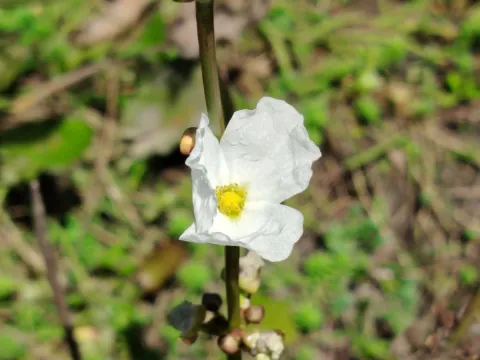
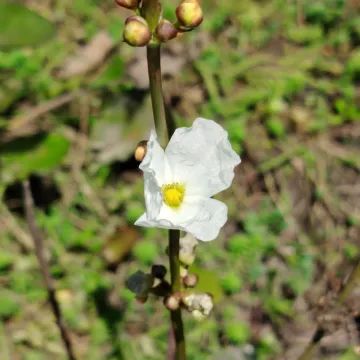
Botanically, it is characterized by a sturdy rosette of leaves and distinctive, elongated flower stalks that rise high above the foliage, which is where its specific epithet longiscapus is derived. The leaves are typically lanceolate to ovate in shape, featuring a robust texture that allows them to withstand varied water currents and light conditions.
Successful cultivation requires a nutrient-rich substrate, as the plant relies heavily on its root system for nutrient uptake. It prefers moderate to intense lighting to maintain its compact growth form and vibrant coloration. Optimal water parameters include a temperature range of 22–27°C and a neutral to slightly acidic pH, supplemented by regular fertilization with iron and other essential trace minerals.
The primary economic use of this plant is within the ornamental aquatic trade and environmental phytoremediation. Growers must remain vigilant against pests such as snails that can damage the leaves and common fungal or bacterial infections that occur in stagnant water. Routine maintenance includes trimming older leaves to promote new growth and ensuring adequate substrate aeration.
Photo gallery