Amazon sword plant
Echinodorus paniculatus
Description
The Amazon sword plant (Echinodorus paniculatus) is a perennial aquatic herbaceous plant belonging to the Alismataceae family. Known for its lush appearance and resilient growth, it is a staple crop within the aquatic plant industry, widely cultivated for aquarium hobbyists and interior landscaping professional projects.
Originating from the tropical wetlands of South America, specifically within the Amazon and Orinoco river basins, this plant has adapted to variable water levels. In its native habitat, it thrives in both submerged and semi-emerged conditions, which defines its dual-nature requirements for commercial production in nurseries.
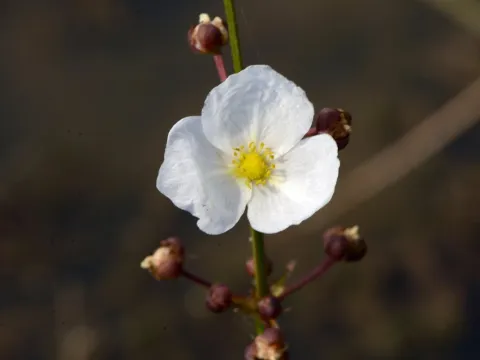
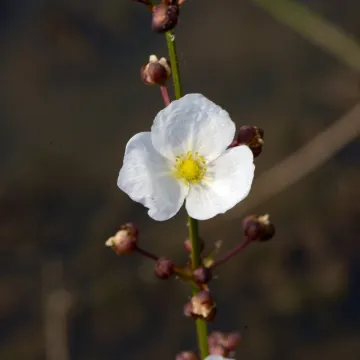
The botanical structure of Echinodorus paniculatus is characterized by a robust root system and a rosette of long-petioled, lanceolate leaves. Its growth habit includes the development of long flowering stalks that carry white, panicle-like inflorescences. The leaves are typically bright green with distinct parallel veins, which can vary in size based on the specific light and nutrient conditions provided.
Agronomic management of this crop requires nutrient-dense, silt-based substrates and a stable temperature range of 22 to 28 degrees Celsius. To maximize yields, commercial growers utilize carbon dioxide injection and iron-rich supplementation. The plant prefers high-intensity lighting to maintain its compact growth form and prevent excessive elongation of the leaf petioles.
- Preferred Water Hardness: Moderate to soft
- Substrate Requirements: High organic content, rich in Fe
- Light Levels: Bright, 10–12 hour cycle
- Propagation: Adventitious plantlets on flower stalks
The primary agricultural utility of the Amazon sword plant is for decorative use in indoor and outdoor water features. It is commercially propagated through vegetative division, where the secondary plantlets grown on the flowering stems are separated and grown in specialized greenhouses until they reach the required size for wholesale distribution.
Common issues in cultivation involve chlorosis caused by iron deficiency and potential infestations by aphids or spider mites when grown in terrestrial or emersed conditions. Effective pest and disease control strategies prioritize the use of systemic biological treatments to ensure the health of the plant while maintaining the safety of the aquatic ecosystems where they will ultimately be placed.
Photo gallery