Echinodorus pubescens
Echinodorus pubescens
Description
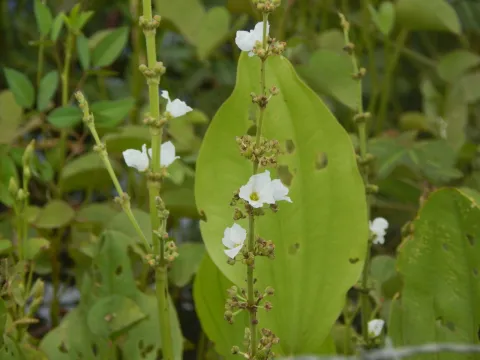
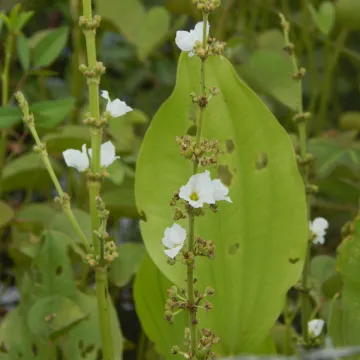
Echinodorus pubescens is a perennial herbaceous marsh plant belonging to the Alismataceae family. As a typical hydrophyte, it naturally inhabits the banks of water bodies and areas subjected to seasonal flooding. Its most distinctive feature is the fine pubescence covering its leaf blades, a characteristic that sets it apart from many other Echinodorus species that typically possess glabrous foliage.
The native range of this species is located in the tropical regions of South America, with significant populations found in Brazil. The plant has evolved to thrive in environments where water levels fluctuate, making it highly adaptable for agricultural and decorative uses in aquatic settings. This adaptability allows it to be grown both as an emersed plant in greenhouses and as a submerged plant in aquaria.
Botanically, the plant develops a robust root system capable of penetrating deep into substrates to anchor the rosette of leaves. The leaves are typically lanceolate to ovate, with a surface texture that feels slightly fuzzy due to the presence of trichomes. During the reproductive phase, the plant produces long flower stalks that rise above the water surface, bearing small white flowers characteristic of the genus.
Successful cultivation requires a nutrient-rich, organic-based substrate and moderate to high light intensity. It performs best at temperatures ranging from 22°C to 28°C. When maintained in aquatic environments, the species benefits from a balanced supply of CO2 and micronutrients, specifically iron, which prevents leaf chlorosis and supports healthy pigment development in the foliage.
The commercial and practical use of Echinodorus pubescens is primarily within the ornamental horticulture and aquarium trade, including:
- Aquascaping and professional layout design for large-scale aquariums.
- Cultivation in public botanical gardens and research facilities.
- Use in specialized paludariums and high-humidity display cases.
Common issues include chlorosis resulting from nutrient deficiencies, particularly iron, and root rot if the substrate becomes anaerobic. Pests such as snails or aphids can occasionally damage the leaves in greenhouse settings. Effective management involves maintaining water quality and ensuring the substrate is porous enough to prevent stagnation, which is crucial for the long-term health of the plant.
Photo gallery