Fukien tea tree
Ehretia microphylla
Description
Fukien tea tree (Ehretia microphylla), frequently referred to in horticulture as Carmona, is a dense, evergreen shrub belonging to the Boraginaceae family. Characterized by its slow growth rate and fine, dark green foliage, it has gained international recognition as a premier species for bonsai practitioners and indoor gardening enthusiasts.
This plant is native to the tropical regions of East and Southeast Asia, spanning from southern China and Taiwan to the Philippines and parts of India. In its natural habitat, it thrives in woodland environments and open shrublands, adapting to varying levels of rainfall and sunlight. Today, it is cultivated worldwide primarily as an ornamental potted plant.
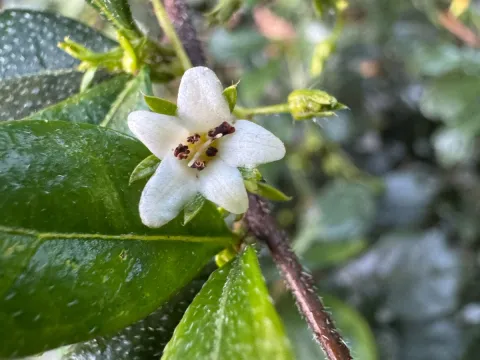
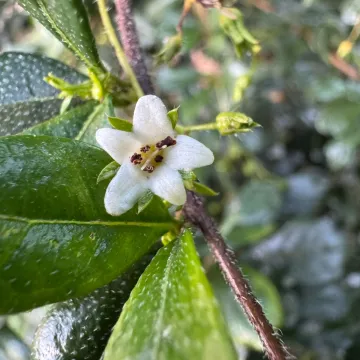
Botanically, the plant is distinguished by its small, shiny, leathery leaves with a slightly coarse texture. During its blooming phase, it produces small, star-shaped white flowers, which are followed by tiny, berry-like drupes that turn from green to orange and eventually deep red as they reach maturity, adding a significant ornamental value.
The agrotechnical requirements for growing Ehretia microphylla focus on maintaining tropical conditions. It requires a stable temperature profile, typically between 18°C and 26°C. The soil should be well-draining, slightly acidic, and rich in organic matter. Proper light management is crucial, as the plant demands plenty of bright, indirect sunlight to maintain its dense foliage density.
- Watering: Maintain consistent soil moisture without waterlogging.
- Fertilization: Use balanced NPK fertilizers during the active growing season.
- Pruning: Regular trimming is necessary to maintain the desired shape.
- Humidity: Prefers high ambient humidity for optimal health.
In terms of economic and practical use, the Fukien tea tree is almost exclusively employed in the decorative plant industry. It serves as a staple for bonsai artists due to its tolerance for heavy pruning and wire training. Beyond bonsai, it is widely used in commercial interior design for high-end offices and residential spaces, valued for its perennial green aesthetic.
Common pests affecting this species include spider mites, mealybugs, and scale insects, which often appear if the plant is stressed by low humidity or poor ventilation. Root rot is the most common health issue caused by overwatering or compacted soil. Regular inspections and adherence to correct irrigation protocols are the best preventive strategies against these threats.
Photo gallery