Elaterium ciliatum
Elaterium ciliatum
Description
Elaterium ciliatum is a specialized herbaceous vine belonging to the Cucurbitaceae family. This plant is recognized for its unique morphological traits, particularly its climbing habit and specialized seed dispersal mechanisms, which are hallmark characteristics of this specific genus within the gourd family.
The plant originates from the tropical and subtropical regions of the Americas. Its natural habitat is typically found in humid forest margins and areas adjacent to water bodies. Because it is highly sensitive to climate shifts, its cultivation is largely restricted to controlled environments such as botanical gardens or specialized greenhouses, where the tropical conditions can be meticulously replicated.
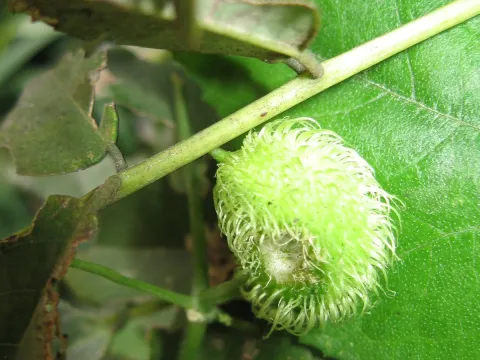
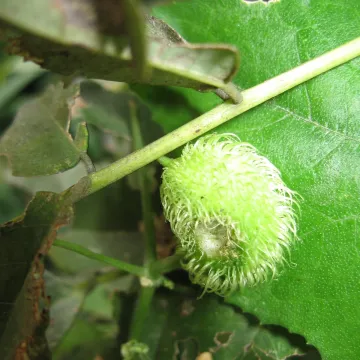
Botanically, Elaterium ciliatum is defined by its vigorous vining stems, which utilize tendrils to secure vertical support. The leaves feature distinct ciliate (hairy) margins, a key identifier for the species. The flowers are generally small and dioecious, requiring efficient pollination to set fruit. The fruit itself is notable for its explosive dehiscence, a rare biological adaptation designed to disperse seeds over a distance.
Cultivation requirements include a nutrient-rich, well-draining soil substrate maintained at a consistent moisture level. Due to its tropical origins, the plant requires high temperatures and cannot survive frost. Agricultural success depends on the provision of adequate light and proper airflow to maintain plant health. In indoor settings, vertical support structures are essential to prevent rot and optimize light exposure for the foliage.
Common phytosanitary concerns include infestation by aphids and spider mites, which can proliferate quickly if humidity is not managed. Fungal infections, particularly root rot, represent the most significant threat if drainage is inadequate. Standard horticultural practices, such as integrated pest management and regular monitoring, are necessary to ensure the longevity of the plant in a nursery or research setting.
Photo gallery