Elaterium gracile
Elaterium gracile
Description
Elaterium gracile is a distinct herbaceous annual crop that belongs to the Cucurbitaceae family. Known for its slender, climbing stems and unique biological properties, this plant represents a specialized niche in agricultural studies. Its morphology is closely adapted to its ecological requirements, making it a subject of interest for agronomists exploring novel plant species.
The plant originates from the warmer regions of Central and South America, where it thrives in subtropical environments. Its distribution as a cultivated crop is confined to geographical zones characterized by a long frost-free growing season and ample heat accumulation. Outside these regions, the plant requires specialized protected environments to complete its full life cycle.
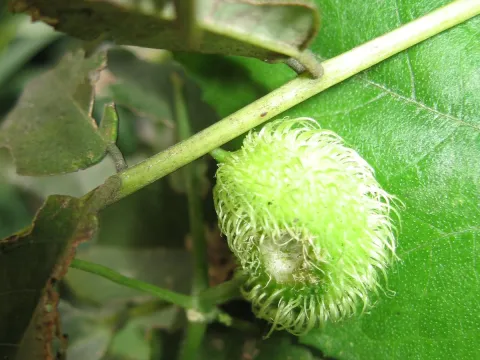
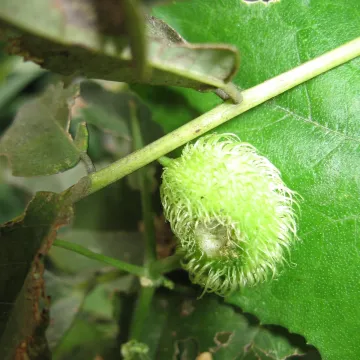
Botanically, it features delicate, deeply lobed leaves and flexible climbing vines that require structural support for vertical development. The fruit development process is particularly noteworthy, as the plant employs mechanisms for rapid seed dispersal. The root system is relatively shallow, necessitating precise moisture management to prevent stress during the peak vegetative stage.
Cultivation requirements for Elaterium gracile include well-drained, nutrient-rich soils with a near-neutral pH level. Agrotechnical management relies on maintaining consistent soil moisture and ensuring sufficient light exposure. Fertilization strategies focus on providing balanced nutrients, with emphasis on potassium application during the fruiting phase to maximize plant health and development.
In terms of agricultural and industrial use, the plant is primarily evaluated for its chemical potential, with research focusing on its secondary metabolites. It is also examined for potential applications in bio-resource manufacturing. Like many other members of the Cucurbitaceae family, it faces several agronomic challenges:
- Susceptibility to powdery mildew in high-humidity environments.
- Infestation by spider mites under drought conditions.
- Root rot pathogens resulting from poor drainage systems.
Photo gallery