Elatine brochonii
Elatine brochonii
Description
Elatine brochonii is a rare herbaceous plant species belonging to the Elatinaceae family. It is a diminutive hydrophyte that occupies a unique ecological niche within wetlands and shallow aquatic environments. As a non-commercial species, it remains a subject of study primarily within botanical research and conservation science.
The geographic distribution of this species is relatively localized, primarily found within Western Europe. It thrives in specific habitats such as the muddy banks of ponds, shallow lake edges, and areas prone to periodic inundation. The plant is highly sensitive to changes in its immediate environment, making it a valuable biological indicator of water quality and habitat stability.
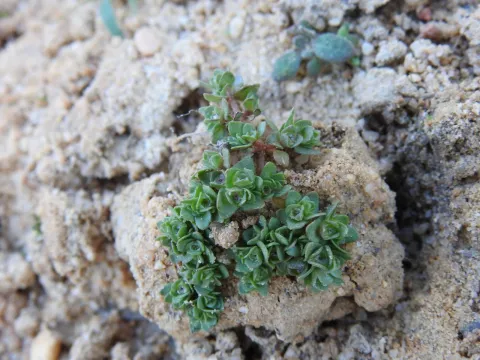
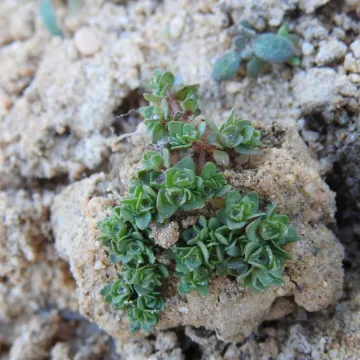
Botanically, Elatine brochonii is recognized by its small stature and prostrate, creeping growth habit. The plant is capable of rooting at the nodes, which facilitates its spread over moist, silty substrates. Its leaves are arranged oppositely along the stems, and it produces tiny, solitary flowers in the leaf axils, which are characteristic features for taxonomical identification.
The environmental requirements for this plant are stringent. It favors temperate climates and consistent moisture levels, showing a clear preference for nutrient-rich silty or sandy soils found at water margins. Because it is highly adapted to specific aquatic conditions, it lacks the resilience to survive in dry environments or in heavily polluted water systems lacking oxygen.
While the species does not have direct agricultural applications, it serves an important role in the stability of wetland micro-ecosystems. Understanding its biology is crucial for ecological preservation. Key threats to the species include:
- Disturbance of the natural water table.
- Runoff from nearby agricultural fertilizers.
- Sedimentation of riverbanks.
- Encroachment by invasive aquatic vegetation.
Photo gallery