Eight-stamened waterwort
Elatine hydropiper
Description
Eight-stamened waterwort (scientific name: Elatine hydropiper) is an annual aquatic plant belonging to the Elatinaceae family. In agronomy, it is recognized primarily as a weed species that colonizes flooded environments, such as rice paddies and irrigation ditches, where it can rapidly outcompete desired crops for space and sunlight.
The plant has a wide natural distribution across temperate regions of Eurasia. It is well-adapted to habitats that experience frequent flooding, thriving in shallow water, muddy shorelines, and wet, nutrient-rich soils. Its resilience in aquatic environments makes it a common feature of wetland agroecosystems.
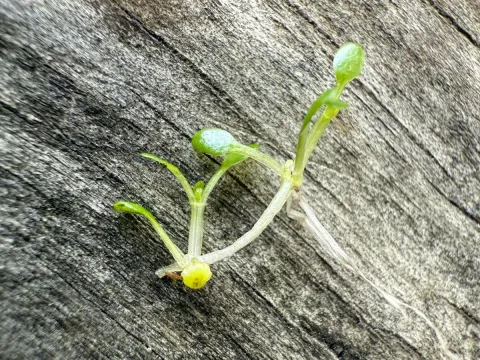
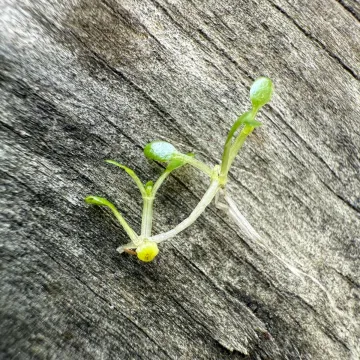
Botanically, Elatine hydropiper is characterized by its small, prostrate, creeping stems that root at the nodes. The leaves are typically opposite and entire, and the tiny flowers are solitary in the leaf axils. This simple morphology masks a high reproductive efficiency, as the plant can produce large quantities of seeds that remain dormant in the mud until conditions are optimal for germination.
To manage this plant in agricultural settings, specific environmental controls are necessary. Since it thrives in saturated soils, water management is the primary technique for prevention. Implementing proper drainage cycles in paddy fields and using targeted aquatic herbicides are common practices to minimize infestations and ensure crop yields are not compromised by this fast-spreading weed.
While the eight-stamened waterwort has no major commercial value as a crop, it serves as a bio-indicator for the ecological health of agricultural water systems. The plant is relatively resistant to conventional agricultural pests, though it can harbor specific water-borne fungi that may indirectly affect the overall microflora of the irrigation channels.
Photo gallery