Elatine minima
Elatine minima
Description
Elatine minima, commonly known as the small waterwort, is an annual aquatic plant belonging to the Elatinaceae family. It is a highly specialized hydrophyte frequently utilized in aquascaping and professional aquatic plant nurseries due to its ability to form dense, low-growing vegetation mats on the substrate of water bodies.
The native distribution of this species is primarily focused on North American regions. It thrives in shallow, clear-water environments such as ponds and stream margins with sandy or silty substrate. In the wild, it serves as a critical component of the littoral zone, providing shelter for microfauna and helping to stabilize the sediment through its extensive, thin root system.
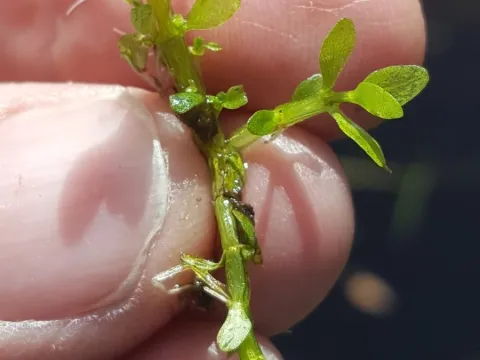
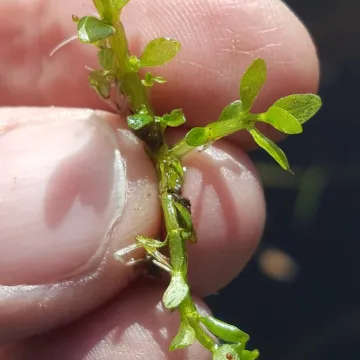
Botanically, the plant is characterized by its miniature stature, with stems rarely exceeding a few centimeters in length. The leaves are typically opposite, spatulate, or elliptic, providing a lush green appearance. The species reproduces primarily through seeds generated in small axillary flowers, which is a key adaptation for colonizing ephemeral water habitats during seasonal water fluctuations.
Agricultural and horticultural requirements for Elatine minima are relatively stringent. It necessitates high-intensity lighting, soft water with a slightly acidic pH, and regular fertilization via substrate-injected nutrients. Temperature maintenance is crucial; keeping the water between 18°C and 24°C is essential to prevent wilting or the loss of structural integrity of the stems.
In terms of cultivation risks, the primary issues include the competitive pressure from filamentous algae and potential damage from herbivorous snails or invertebrates. Effective management involves:
- Maintaining consistent water quality parameters.
- Providing adequate CO2 supplementation in high-tech setups.
- Ensuring proper flow to prevent debris accumulation on the delicate leaves.
- Regular pruning to stimulate lateral growth and density.
- Monitoring for nutrient deficiencies, particularly nitrogen and iron.
Photo gallery