Elatine spathulata
Elatine spathulata
Description
Elatine spathulata, commonly known as a type of waterwort, is an annual aquatic or amphibious plant belonging to the Elatinaceae family. While not an agricultural crop, it is an essential part of the botanical biodiversity found in wetlands and irrigation-adjacent ecosystems, often serving as an indicator of environmental health in shallow waters.
The origin of this species is linked to the temperate zones of Eurasia. It is widely distributed across various habitats, including the edges of lakes, ponds, and muddy shorelines. Its natural range is characterized by locations where water levels fluctuate, allowing the plant to adapt to both submerged and emergent conditions depending on the season.
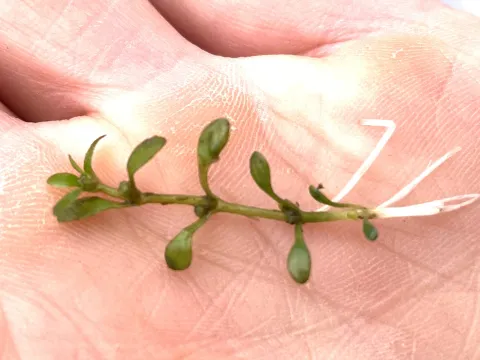
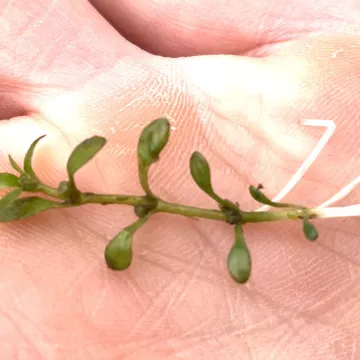
Botanically, the plant is distinguished by its creeping, rooting stems and small, opposite, spatula-shaped leaves. These morphological traits allow it to form dense mats on muddy substrates. The flowers are solitary, axillary, and extremely reduced in size, which is a characteristic feature for most members of the Elatinaceae family.
Elatine spathulata thrives in nutrient-rich, silty, or muddy soils with high moisture content. Regarding environmental requirements, it prefers stable hydrological conditions but demonstrates high phenotypic plasticity in response to water depth. There is no specific commercial cultivation technique for this plant, as it grows spontaneously in suitable aquatic habitats.
The economic value of this plant is largely ecological rather than commercial. It helps stabilize muddy shorelines and provides micro-habitats for small aquatic invertebrates. Regarding pathology, the species is not subject to agricultural pest management; however, it can be impacted by changes in water quality, such as chemical runoff from adjacent cultivated fields.
Photo gallery