Encephalartos villosus
Encephalartos villosus
Description
Encephalartos villosus is a distinct species of cycad belonging to the Zamiaceae family. Often referred to as a cycad, it is a gymnosperm that resembles a palm tree in its appearance. This species is highly regarded among collectors and horticulturists for its robust structure and its ancient lineage, which dates back millions of years.
The native habitat of Encephalartos villosus is found in the eastern parts of South Africa, specifically in the coastal forests and valleys of KwaZulu-Natal and the Eastern Cape. Being an understory plant in its natural environment, it has adapted to growing in shaded, moist areas with leaf litter providing essential nutrients. Its distribution is limited, making it a plant of interest for conservation and botanical gardens.
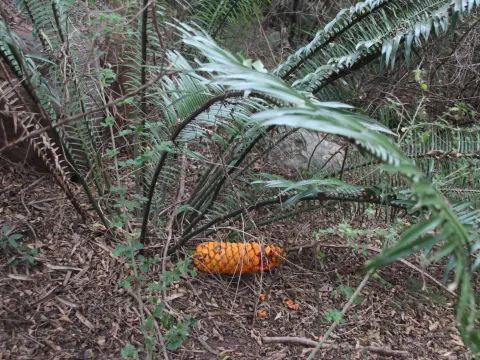
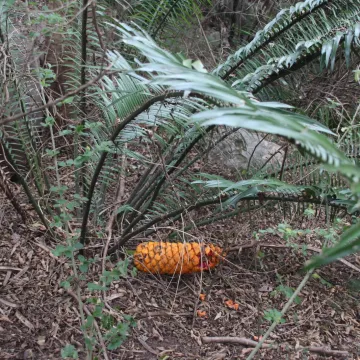
Botanically, this species is defined by its subterranean or partially emergent stem and dark green, leathery, pinnate leaves that can reach significant lengths. The plant is dioecious, meaning that male and female cones are produced on separate plants. The cones are often large and have a distinct texture, which is a key identifying characteristic of the Encephalartos genus.
Agronomic requirements for successful cultivation center on well-draining soil mixtures that replicate its native forest floor environment. It thrives in bright, filtered light and requires a stable temperature range, as it is intolerant of frost. Proper irrigation is crucial; the substrate must be kept consistently moist but never waterlogged to prevent fungal issues and root rot.
Pest management for this species involves monitoring for common greenhouse insects like scale, mealybugs, and spider mites. Regular inspections and proper airflow help maintain the health of the foliage. While Encephalartos villosus has no major agricultural use in terms of food production, its value lies in its ornamental status and its significance in international plant conservation programs.
- Distinctive leathery foliage
- Adapted to low-light conditions
- Slow-growing characteristics
- Strict requirement for soil drainage
- Sensitivity to overwatering
Photo gallery