Description
Entada polystachya is a vigorous woody vine belonging to the Fabaceae family, specifically the Mimosoideae subfamily. Known for its rapid growth in tropical environments, this plant serves as a significant structural component in various forest ecosystems, utilizing larger trees as a scaffold to reach the upper canopy.
The native range of this species is primarily centered in the tropical regions of Central and South America. It thrives in humid conditions, typically found on the edges of primary forests and in riparian zones. Its geographical distribution is limited by its intolerance to frost and prolonged periods of drought, making it exclusive to tropical and subtropical climates.
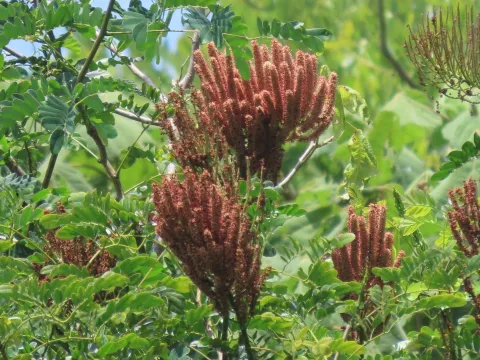
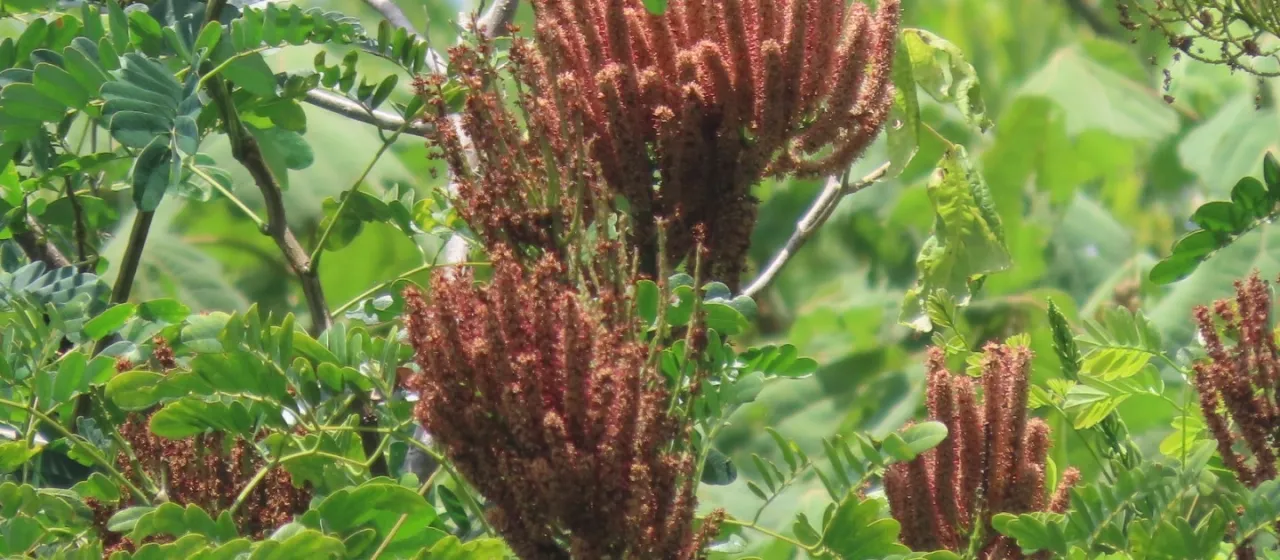
Botanically, the plant is characterized by its bipinnate leaves and distinctive spicate inflorescences. The fruits are large, woody legumes that house the seeds, providing robust protection against humidity and potential insect infestation. Its root system is extensive, allowing the plant to effectively capture nutrients and water from diverse soil profiles.
Agricultural requirements for Entada polystachya center on well-draining, nutrient-rich soil and a tropical climate with high, consistent temperatures. In an agricultural setting, it requires strong vertical support systems. While not a conventional field crop, its management involves pruning to ensure it does not overrun other surrounding vegetation.
The economic value of this culture lies largely in its role in agroforestry and soil rehabilitation. Due to its nitrogen-fixing capabilities, it contributes significantly to soil health, increasing fertility in areas where it is cultivated. Additionally, its fibrous stems have been historically utilized in local crafts and the production of rustic rope materials.
- Excellent nitrogen-fixing properties for soil enrichment.
- Rapid biomass accumulation rate.
- Adaptability to humid tropical microclimates.
- Utilized for erosion control in forest edge zones.
Photo gallery